
Most people mistake explained apologies for emotional maturity. In reality, they’re sophisticated refund requests - an attempt to negotiate the weight of harm after saying "I’m sorry."
I grew up in a home where every apology came with a footnote: "I’m sorry I forgot your concert, but work was relentless." The apology was never the end. It was the opening move in a negotiation.
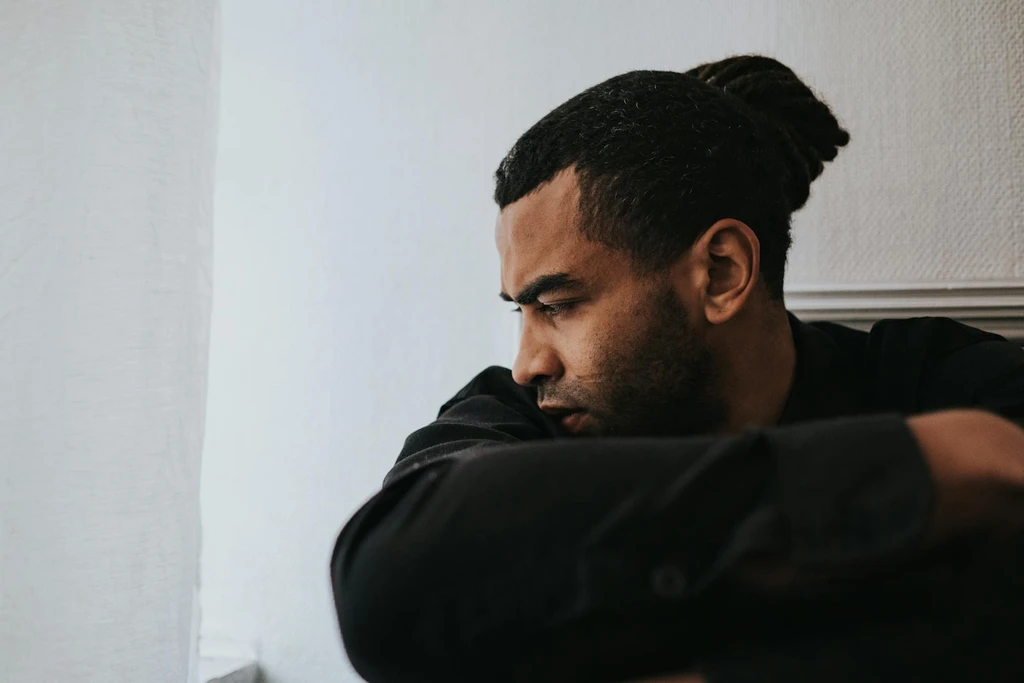
Psychologists call this deflection wrapped in vulnerability. The "sorry" establishes good faith. The "but" shifts emotional labor onto the hurt person. Now they must weigh your circumstances before deciding how much pain they’re allowed to feel.
This pattern is inherited. Children learn: vulnerability requires justification. Apology + explanation = absolution. And so adults grow confused when their carefully crafted apologies land poorly. They followed the script. Why isn’t it enough?
Because the other person didn’t need context. They needed you to sit in the discomfort - without excuses.

True accountability is silent. "I forgot your birthday. That must have felt awful. I’m sorry." No traffic. No stress. No list of other birthdays remembered. Just the impact, acknowledged.
This is terrifying for those raised on explanations. The silence feels like exposure. But it’s precisely where trust begins.
The most powerful apologies don’t educate. They see.