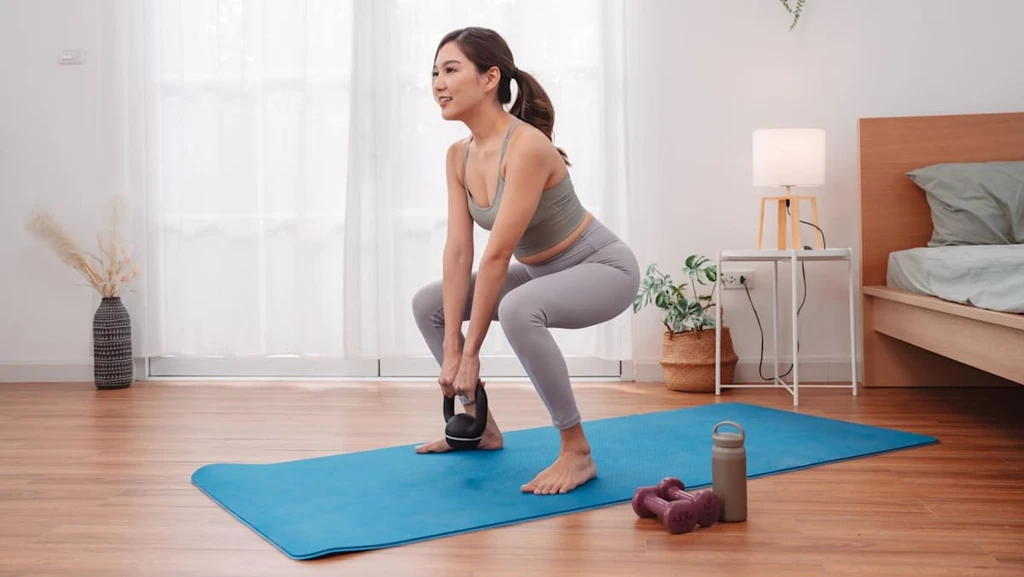
The gluteal muscles, making up 16-18% of total skeletal muscle mass, are critical for posture, lower-limb alignment, and back health. Weak glutes can cause the knees to roll inward during movement, leading to knee pain, and force the lower back to compensate, causing tension and pain, according to senior physiotherapist Choo Jia Yi from National University Hospital.
Everyday activities like walking and stair climbing are insufficient to strengthen glutes. Targeted exercises such as squats, lunges, and hip hinges are necessary. Age-related muscle decline accelerates without active training, notes personal trainer Benson Poh of Vigeo Personal Training.
Size does not equal strength; strength depends on muscle activation and force production. For functional strength, glutes must produce power, decelerate movement, and stabilize the pelvis. Effective exercises include deadlifts, B-stance deadlifts, hip thrusts, step-ups, and Bulgarian split squats, performed two to three times per week.
Avoid pairing glute exercises with heavy lower back work or multiple heavy hip-hinge movements in the same session to prevent fatigue and injury. Overtraining can lead to injury; proper technique is crucial.