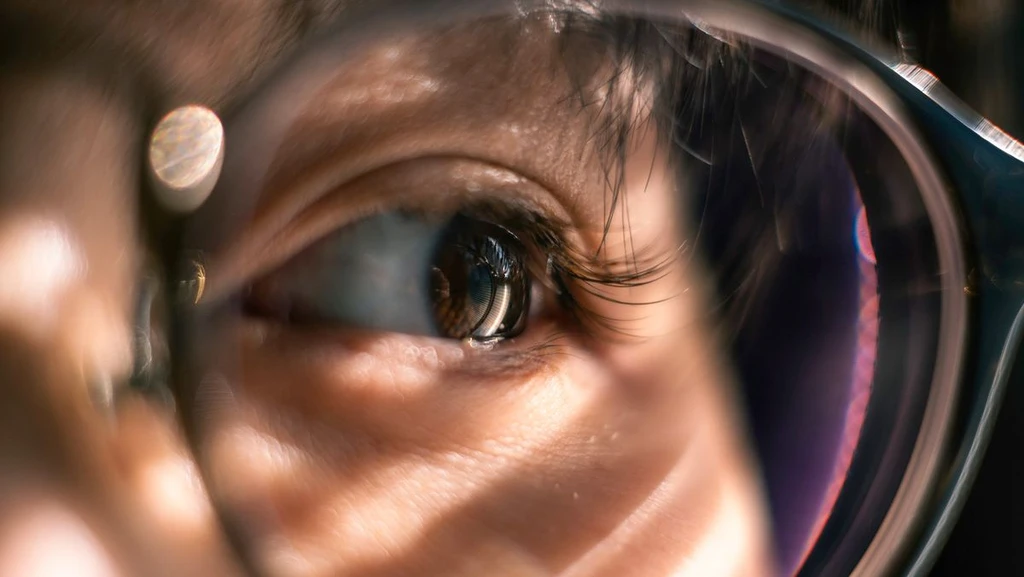
Full visual adaptation to darkness requires up to sixty minutes. This delay stems from complex biochemical processes within the human retina rather than external environmental factors.
When ambient light vanishes, photoreceptor cells must regenerate light-sensitive pigments to function effectively. Rod cells, responsible for low-light vision, operate significantly slower than cone cells used for color perception. This physiological lag explains why visibility improves gradually over time despite constant lighting conditions.