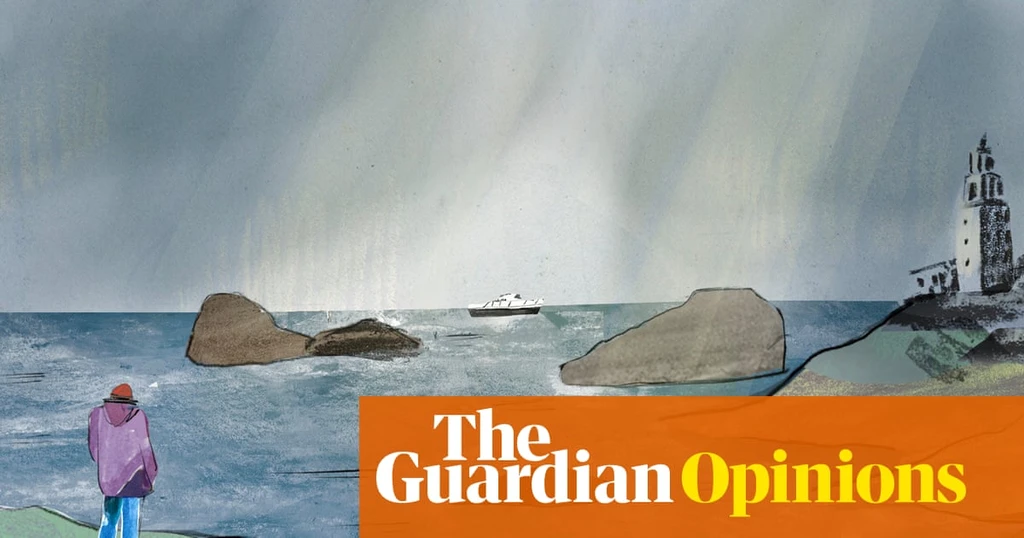
Sitting in a remote cabin on the Hebridean isle of Harris, Graham Snowdon watched fishing boats navigate the harbor as the fog of recent months finally began to clear. This moment of clarity arrived after a grueling year defined by loss and caretaking.
Snowdon’s father passed away from liver cancer last July. His mother, already struggling with health issues, suffered a sudden decline when a brain tumor was discovered. She entered palliative care, unable to attend her husband's funeral. The subsequent year became a blur of weekly train trips from London to Leeds, marked by exhaustion and melancholic service station dinners.
The realization struck during a cold November night returning from Leeds. Snowdon recognized that his constant movement was a reaction to crisis, not a solution. He needed space to process the dual trauma of losing his parents. With his mother passing in early January, he booked a two-week stay in a secluded cabin on Harris.
The 700-mile journey north offered its own reflections. Stops included coffee at Leeming Bar services and hikes in the North Pennines. Upon reaching Harris, Snowdon embraced the rugged landscape and volatile Atlantic weather. He wandered through boulder-strewn hills and black lochans, shifting from reactive distress to quiet remembrance.
Isolation proved therapeutic. On rainy days, he completed a jigsaw puzzle while listening to classic albums. When the weather cleared, he engaged with locals, buying langoustines from fishermen and sharing stories at a pub quiz. These interactions, though brief, provided human connection without the pressure of social obligation.
Snowdon acknowledges his privilege. He has supportive sisters and adult children who no longer require daily supervision. Yet, in that wooden cabin, alone with an unread Dostoevsky novel, he found the peace of mind he had sought. The experience transformed grief into acceptance, proving that sometimes, total isolation is the only path forward.