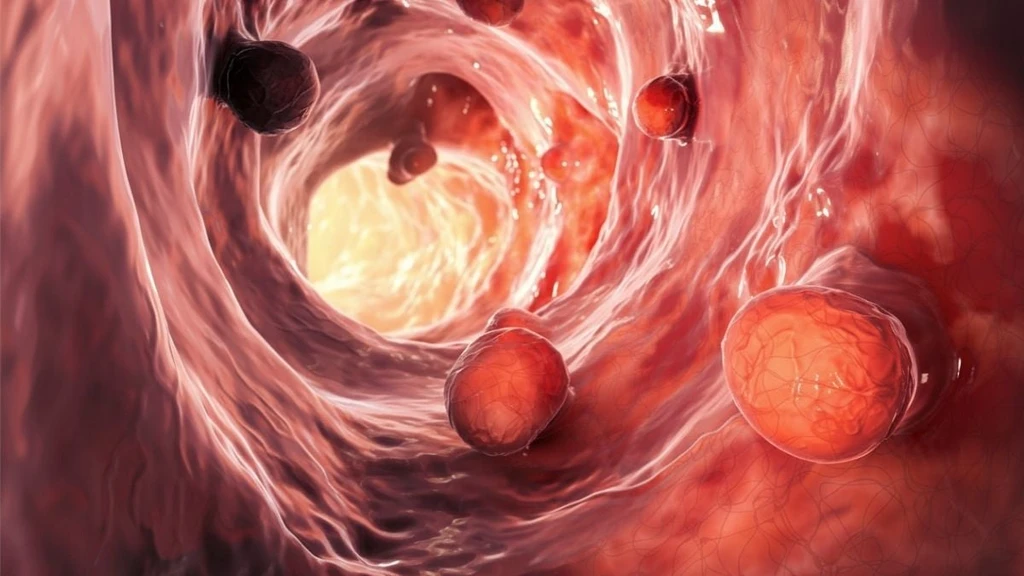
A Boston-based research team has discovered why a standard cancer prevention technique may fail to fully reduce risk.
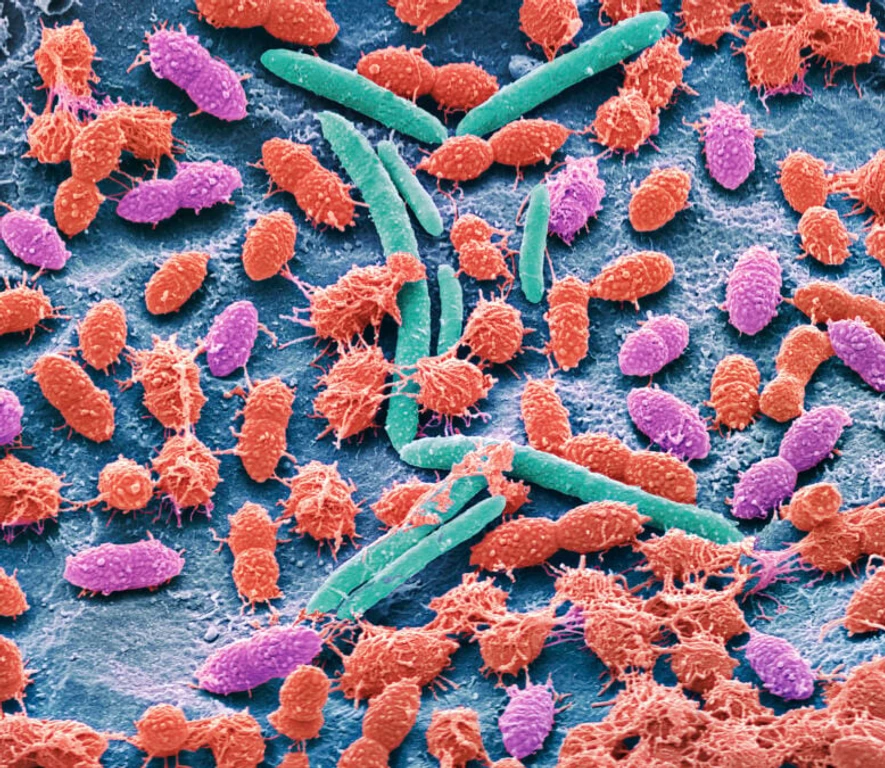
Investigators at the Harvard School of Public Health found that the gut microbiome could remain disrupted for a decade or more following the removal of benign growths called adenomas. This persistent dysbiosis resembles the microbial profile associated with colorectal cancer (CRC).
Colorectal cancer is the second-leading cause of cancer-related deaths worldwide. Regular colonoscopies identify and remove adenomas, yet a patient's risk of developing CRC often remains elevated post-procedure. This study offers an explanation for that clinical mystery.
The study analyzed stool metagenomes from 354 women who had adenomas removed roughly 12 years prior, comparing them to 354 healthy controls. The genomic profiles identified significant, long-term alterations in 31 different microbes. Critically, these shifts persisted long after the offending polyps were excised.
“Our study was the first to address whether gut microbial and metabolic alterations are still detectable many years after adenoma removal,” said Mingyang Song, the study’s corresponding author. “The answer is yes - suggesting that removing an adenoma doesn't return the gut to a low-risk state.”
The research indicates that clinicians may be treating a symptom rather than the carcinogenic environment that caused the lesion. Diet and lifestyle were closely tied to the problematic microbes, suggesting that behavioral interventions may be key to modifying long-term risk. The findings underscore a paradigm shift: cancer prevention must target the biological terrain, not just the tumors themselves.