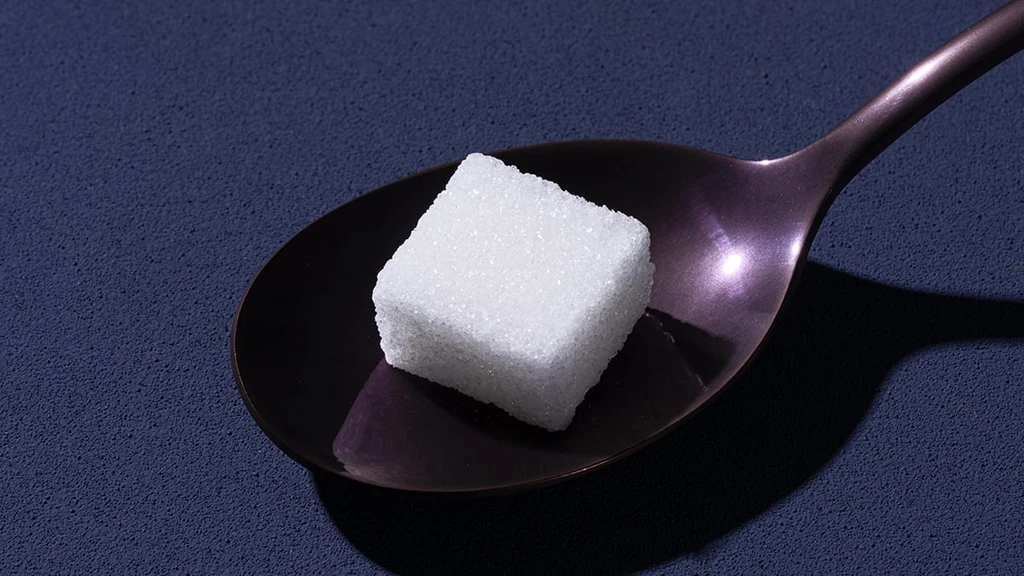
Reducing sugar intake is widely accepted as beneficial for metabolic health. However, new research suggests that completely eliminating sucrose within a low-fat dietary framework may trigger unintended negative side effects.

Researchers at the Dasman Diabetes Institute in Kuwait conducted a 16-week study on mice fed low-fat diets with and without sucrose. The zero-sugar group exhibited significant disruption to their gut microbiome, showing fewer beneficial bacterial strains and an increase in inflammatory markers compared to the control group.
Beyond gut health, the sucrose-free mice displayed impaired glucose control and signs of insulin resistance. Researchers also observed fat accumulation in the livers of these animals, despite their body weights remaining consistent with the sugar-consuming group. Immunologist Rasheed Ahmad notes that complete sucrose removal may negatively impact metabolic homeostasis and immune function.
Medical experts caution that these findings are preliminary and limited to animal models. Nutrition is complex, and removing a single ingredient does not guarantee improved health outcomes. While past studies confirm the dangers of excess sugar, this research highlights the need for balanced carbohydrate intake rather than total elimination.
The study was presented at ENDO 2026 and accepted for publication in Frontiers in Immunology. Future human trials are necessary to determine if these metabolic disruptions translate to clinical dietary recommendations for conditions like type 2 diabetes.