
A new study suggests the gut microbiome may hold the key to understanding why some patients are more susceptible to deadly sepsis.
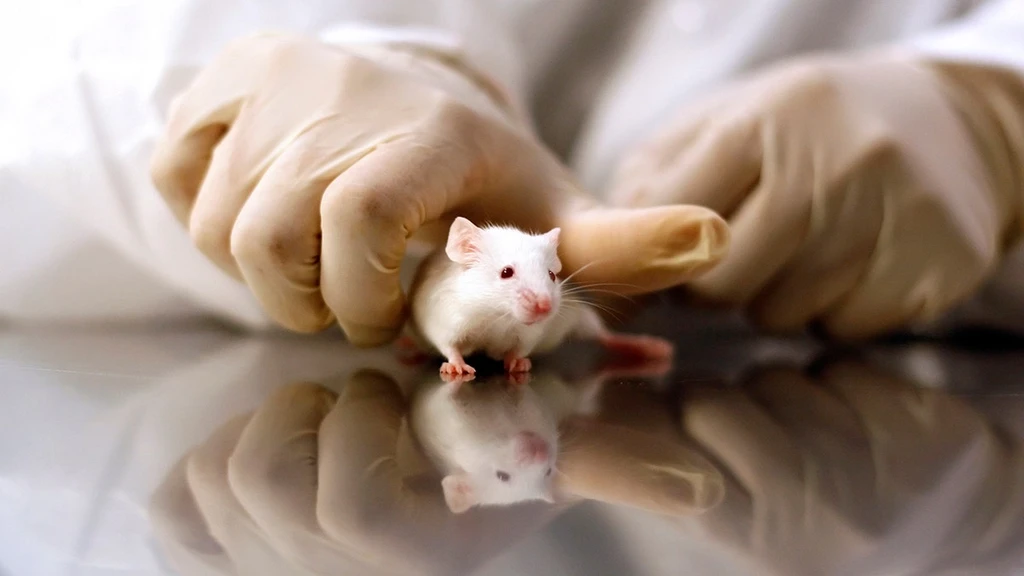
Researchers from the Korea Research Institute of Bioscience and Biotechnology used female mouse models to investigate the dramatic differences in sepsis outcomes. The study, published in Nature, focused on genetically similar mice with varying gut microbiomes that were infected with the bacterium Acinetobacter baumannii.
Mice with a higher concentration of Muribaculaceae bacteria in their gut showed a significantly lower survival rate. These vulnerable mice also exhibited a strong, early inflammatory response that led to a higher bacterial load in the blood, lungs, and spleen.
A specific bacterial strain, Sangeribacter muris KT1-3, was linked with worse outcomes. Mice housed with this strain saw their survival rates drop to 10%.
Dr. Andrew Fleming from NYU Langone Hospital noted that the gut is now considered "almost as a living organ." It is known that a diverse and healthy microbiome is protective, while a dysregulated one can worsen the immune response in sepsis.
Antibiotic overuse is a major concern, with up to 30% of prescriptions considered unnecessary. These drugs deplete microbiome diversity, leaving a void that can be filled by harmful bacteria.
A key limitation is that Sangeribacter muris is not typically found in humans. More research is needed to confirm if these findings translate to people, but the hypothesis that maintaining a healthy gut reduces sepsis risk is strong.