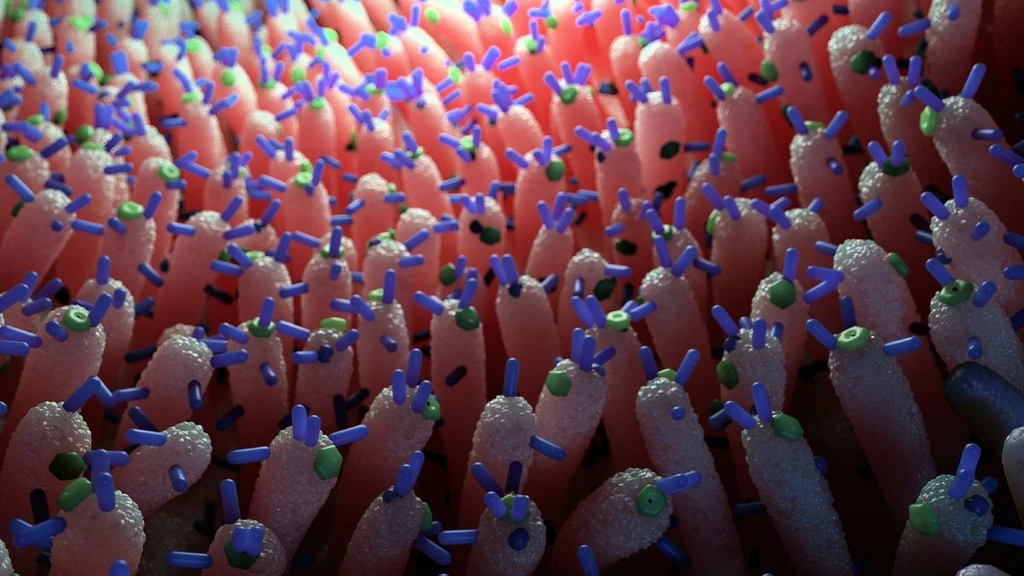
A new study in mice shows gut viruses-part of the gut virome-activate immune cells to regulate carbohydrate metabolism, reducing blood sugar spikes.
Researchers at Zhejiang University disrupted the gut virome in mice using an antiviral cocktail. On a high-carb diet, these mice developed impaired glucose tolerance and sharp blood sugar rises, despite increased expression of carbohydrate-digestion genes.
The effect was independent of gut bacteria. Follow-up experiments showed that introducing bacteriophages into germ-free mice improved glucose tolerance and reduced sugar absorption.
Fluorescent virus-like particles were taken up by T cells, triggering immune proteins that limit glucose entry into the bloodstream. Similar results were seen in human small-intestine organoids with human gut viruses.
The findings, published in Cell Host & Microbe, suggest the virome directly influences a core metabolic pathway. Experts say this reveals a previously unknown link between gut viruses and immune-metabolic regulation.
Further research is needed to understand how these mechanisms operate in humans across disease states before therapeutic applications can be developed.