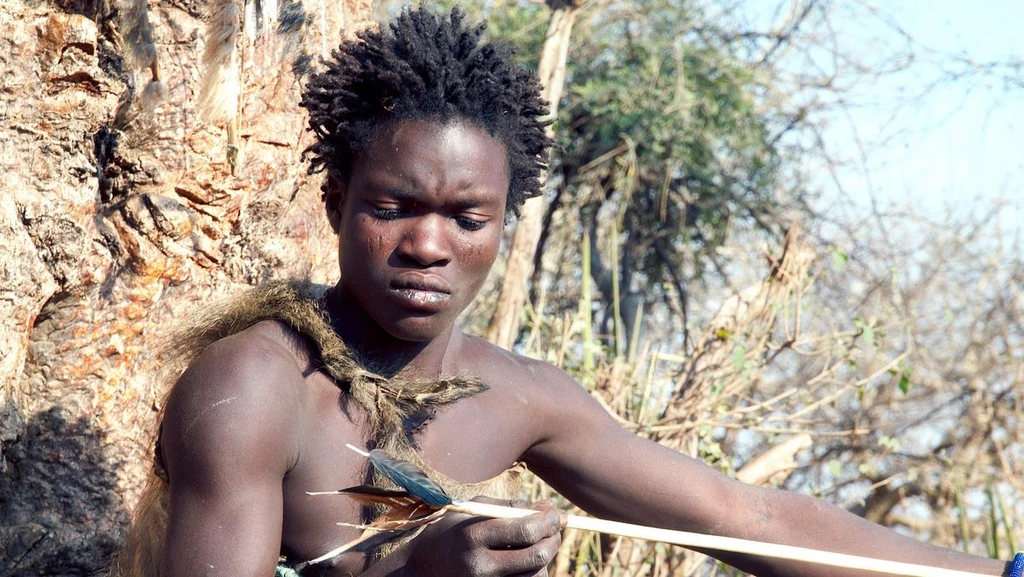
Humans have evolved to live in every corner of the planet through biological changes and technological innovation. In his new book Adaptable, Herman Pontzer, a professor at Duke University, explores how local environments and genetics shape human diversity.
Pontzer highlights examples like the Sama people in the Philippines, who have adapted to life underwater with larger spleens. He also discusses how traits like skin color and high-altitude adaptations develop through natural selection. These adaptations are localized, meaning they only benefit individuals in specific environments.
The book argues that while genetics set limits, the environment plays a larger role in shaping human development. Epigenetics, or how environmental factors affect gene expression, further illustrates the complex interplay between nature and nurture.
Pontzer warns about evolutionary mismatches-when modern environments differ so much from our ancestral past that our bodies struggle to adapt, leading to health issues like heart disease and allergies.
He emphasizes that human adaptability is our greatest strength, allowing us to thrive in diverse conditions. Understanding this helps us better interpret scientific research and challenge misinformation.