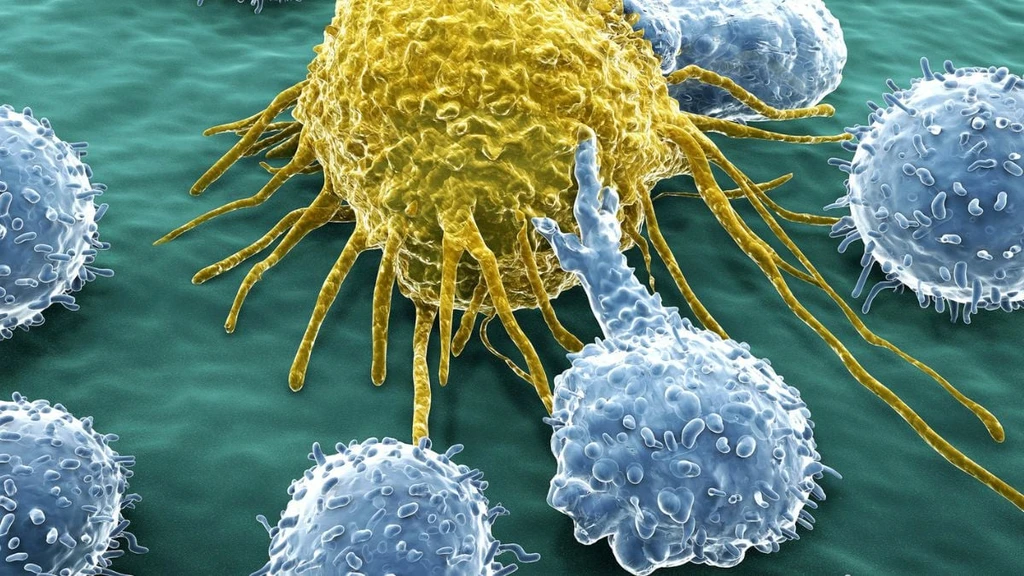
Scientists at the University of Southern California have engineered a potentially limitless supply of immune cells to fight cancer. They focused on macrophage progenitor cells, called granulocyte-monocyte progenitors or GMPs.
Unlike typical macrophages, these progenitor cells can copy themselves repeatedly. The team figured out the exact chemical mix needed to grow them in the lab.
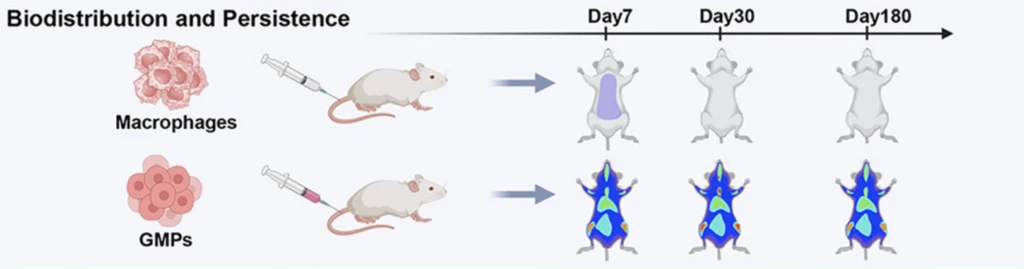
When engineered and injected into mice, these GMPs spread throughout the body and generated a steady stream of cancer-fighting macrophages. This halted the progression of both blood cancer and solid tumors.
This approach could overcome major hurdles faced by therapies like CAR-T, which are less effective against solid tumors. It offers a scalable platform for engineering new immunotherapies.
The research suggests targeting the progenitor stage of immune cells may be a more effective strategy for future treatments. The study is published in the journal Cell.