
A major study has identified a turning point in human aging: around age 50. After this milestone, tissues and organs age at an accelerated rate, particularly blood vessels.
Researchers from the Chinese Academy of Sciences analyzed protein changes across 13 tissues from donors aged 14 to 68. They found a sharp shift in biological aging between ages 45 and 55, marked by significant proteomic remodeling.
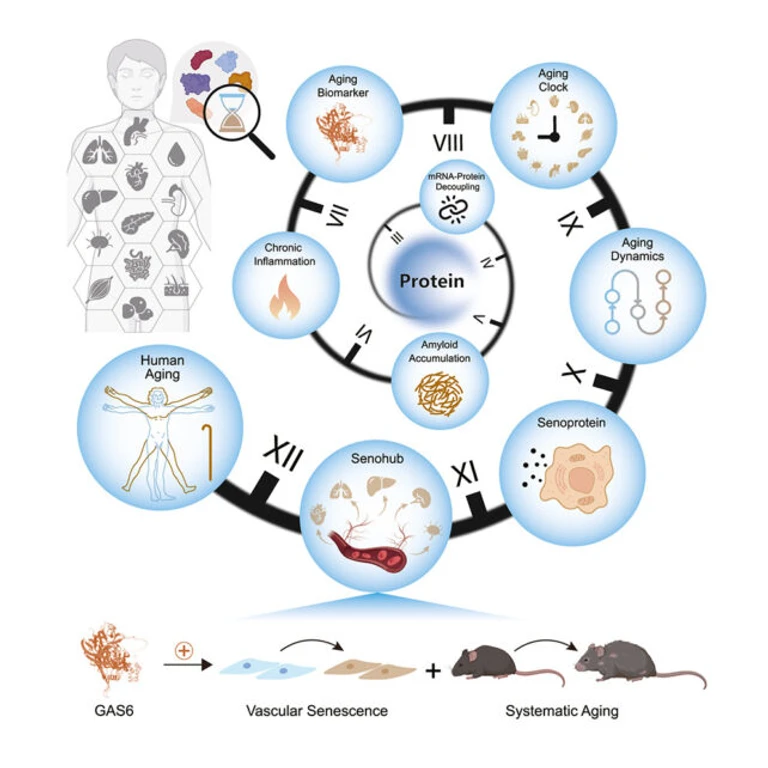
The aorta showed the most pronounced aging changes, followed by the spleen and pancreas. Levels of 48 disease-linked proteins increased with age, including those tied to cardiovascular disease and liver tumors.
In mice, introducing an aging-related protein reduced physical performance, grip strength, endurance, and coordination-indicating a direct link between molecular changes and functional decline.
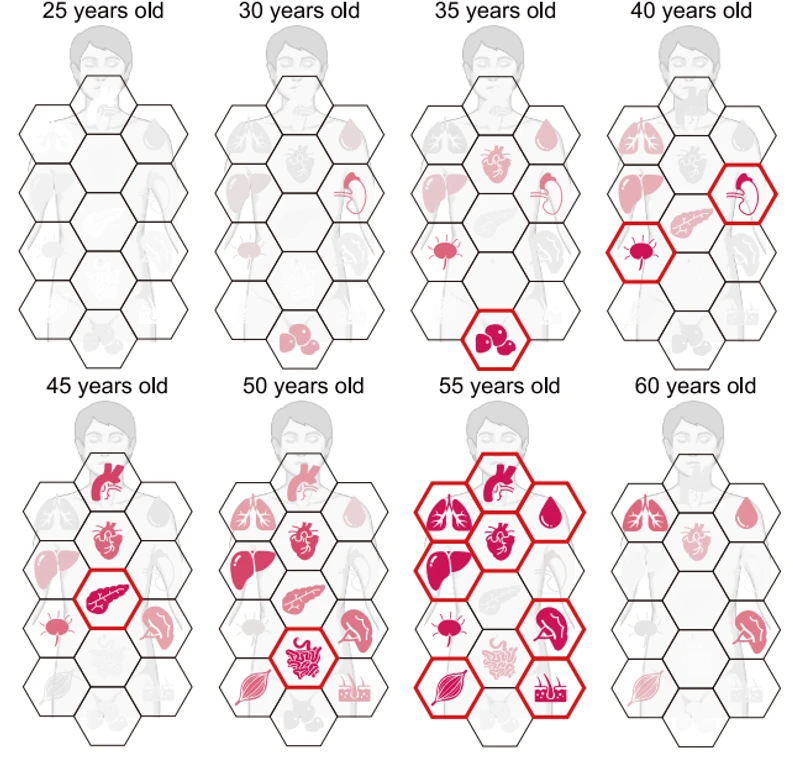
Previous studies suggest additional aging peaks at ages 44 and 60, involving metabolism, immune regulation, and organ function. This new work lays the foundation for targeted anti-aging therapies based on tissue-specific aging patterns.