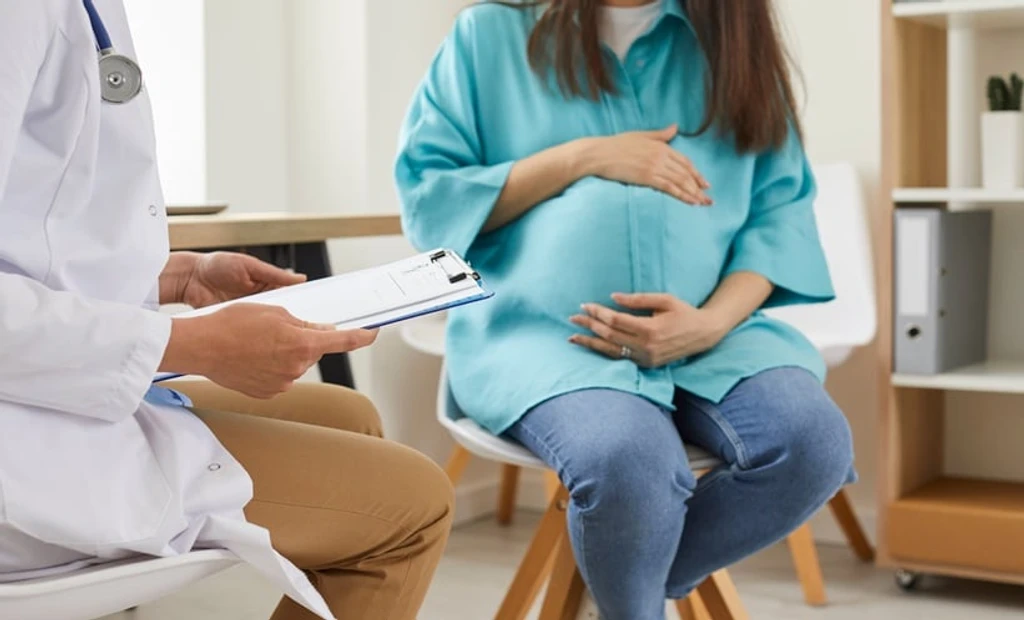
New real-world evidence is helping address a major safety gap around hepatitis E vaccine use in pregnancy, a population at disproportionate risk from the virus. The findings come from a large study conducted in an internally displaced persons camp in South Sudan, where vaccination during pregnancy was not associated with a statistically significant increase in fetal loss.
Hepatitis E virus, particularly genotype 1, can cause severe outcomes in pregnancy, including liver failure, miscarriage, and maternal death. Yet pregnant women are often excluded from initial vaccine trials, leaving clinicians and policymakers with limited safety data when outbreaks occur.
Among pregnant women vaccinated during pregnancy, the cumulative risk of fetal loss was 7.2%, compared with 6.1% among unvaccinated women. The risk ratio was 1.2, with a 95% confidence interval of 0.7 to 1.9, meaning the analysis did not detect a statistically significant increase in fetal loss.
The findings remained consistent in analyses focused on first trimester exposure, the most sensitive period for fetal development, as well as analyses of vaccination before pregnancy.
The evidence carries practical importance for outbreak response, particularly in conflict-affected settings where hepatitis E circulates and access to care is limited. Safety data from more than 2,000 women vaccinated during pregnancy may help reduce uncertainty about including pregnant women in vaccination strategies.
However, several limitations remain. Pregnancy status and vaccination dates were partly self-reported, with documentary confirmation available for only 57 to 65 percent of participants. Very early miscarriages may have been missed, which could bias findings toward no effect.
Overall, the evidence is reassuring but not definitive. Additional prospective studies across diverse populations are needed to confirm safety, assess longer-term outcomes, and evaluate practical questions around schedule and logistics during outbreaks.