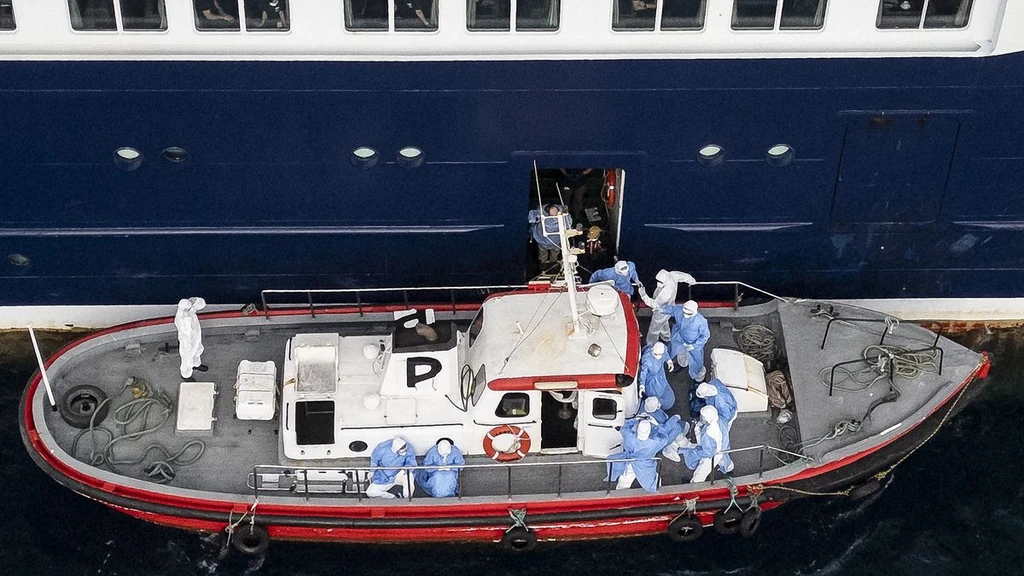
A cluster of Andes virus infections, a rare and deadly hantavirus, has been linked to the Dutch-flagged cruise ship MV Hondius. As of May 7, there are five confirmed and three suspected cases, with three fatalities. The ship departed Argentina on April 1, and the first known case appeared on April 6.
The World Health Organization and the U.S. CDC emphasize the risk to the general public remains low. WHO's Maria Van Kerkhove stated, "This is not SARS-CoV-2. This is not the start of a COVID pandemic." The Andes virus, unique among hantaviruses, can spread through close human contact, but transmission requires sustained, intimate exposure.
Authorities are monitoring passengers across multiple states. In Arizona, Georgia, and California, residents who returned from the cruise are under health watch, though none have shown symptoms. Seventeen Americans remain on the vessel. Genetic sequencing of the virus is underway, and investigations focus on potential exposure to infected rodents before boarding.
WHO Director-General Tedros Adhanom Ghebreyesus noted that both Argentina and the U.S. recently withdrew from the WHO, but the outbreak may prompt reconsideration. "Viruses don't care about our politics," he said.