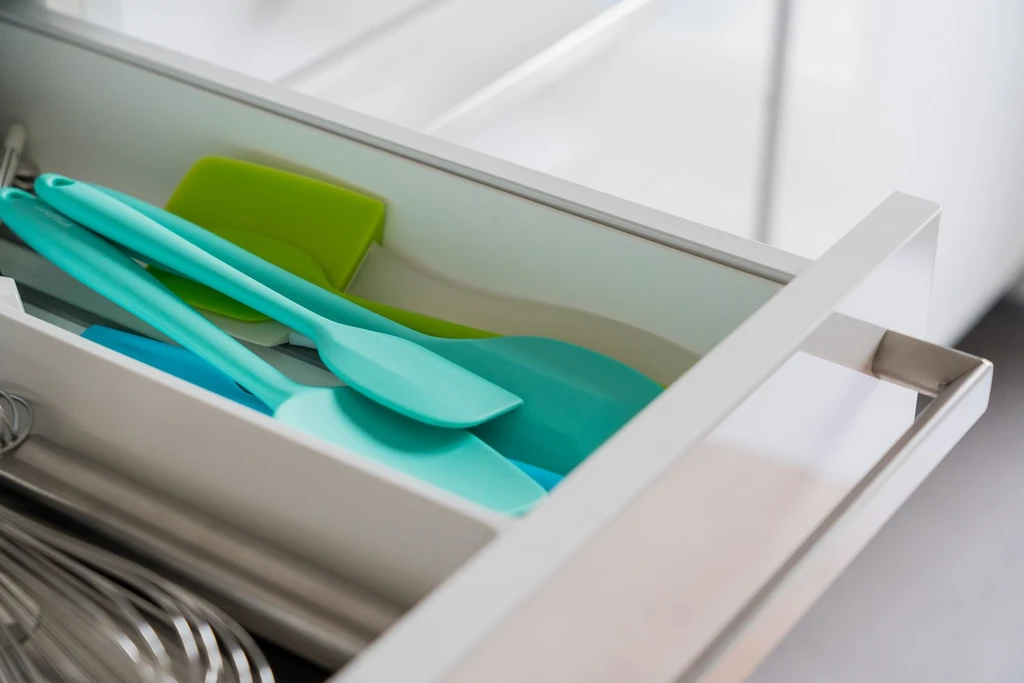
An impeccably organized cutlery drawer stands in stark contrast to disarray elsewhere in the home. This isn’t inconsistency, but rather a critical survival strategy. Psychologists refer to it as a 'locus of control'-a belief that one can influence outcomes in their life. For those who grew up in chaotic environments, maintaining that orderly drawer symbolizes the ability to create predictability where none exists.
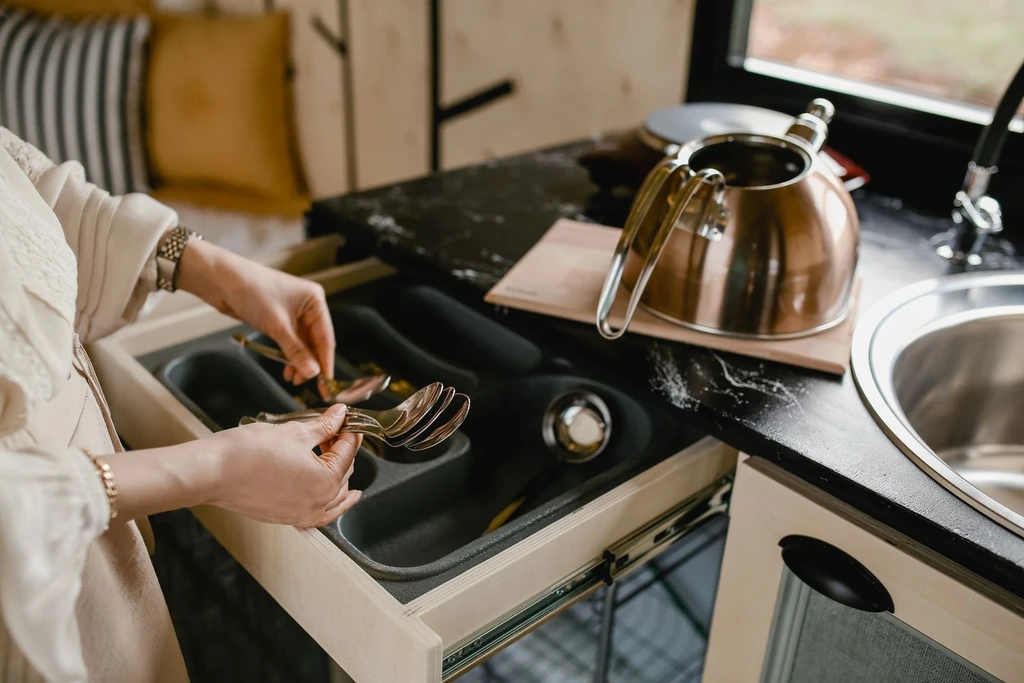
The drawer serves a psychological purpose, providing a sense of control that fosters resilience against external chaos. It allows for satisfaction and a sense of agency without the pressure to regulate the entire home. In a world rife with unpredictability, a small zone of order can dampen feelings of anxiety and uncertainty.
However, the question of balance arises. When does this need for order tip into compulsive territory? Healthy coping allows the drawer to provide momentary relief without consuming excessive thought or time. An unhealthy version, however, leads to exhaustion and excessive control, detracting from actual life improvements.
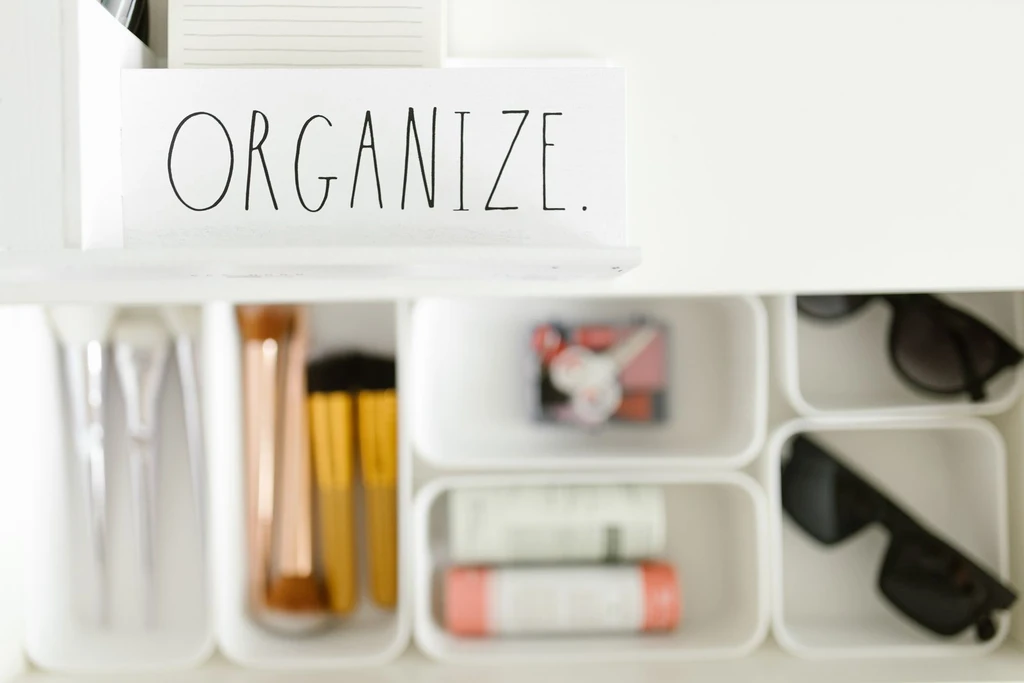
The significance lies not only in maintaining that order but in what it reveals about the individual. It can indicate a history of instability, suggesting deeper unresolved issues requiring attention. Understanding this complex dynamic helps build awareness and offers pathways toward greater emotional healing.
Ultimately, the drawer correlates with the deeper need for agency and stability. Cultivating a sense of control over even the smallest aspect of life can signify that one is engaging actively with their environment, thereby transforming their psychological landscape.