Three people have died and several others have fallen ill aboard the Dutch-flagged MV Hondius cruise ship, prompting an international public health response. The World Health Organization (WHO) is urging calm, stating this outbreak is not the next COVID-19 pandemic.
WHO Director-General Tedros Adhanom Ghebreyesus reported eight cases so far, including five laboratory-confirmed infections of the rare Andes strain of hantavirus. The virus is zoonotic, carried by rodents, and the Andes strain is the only hantavirus capable of limited human-to-human transmission through close, prolonged contact.
WHO acting director for epidemic and pandemic management, Maria Van Kerkhove, emphasized, "This is not SARS-CoV-2. This is not the start of a COVID pandemic." She noted hantaviruses are well-understood and do not spread like coronaviruses. The overall public health risk is assessed as low.
The first known patient developed symptoms on April 6 and died aboard. His wife died after being evacuated to South Africa, where testing confirmed hantavirus. A third passenger died on May 2. One man remains in intensive care in South Africa, with his condition improving. No current passengers or crew aboard are symptomatic.
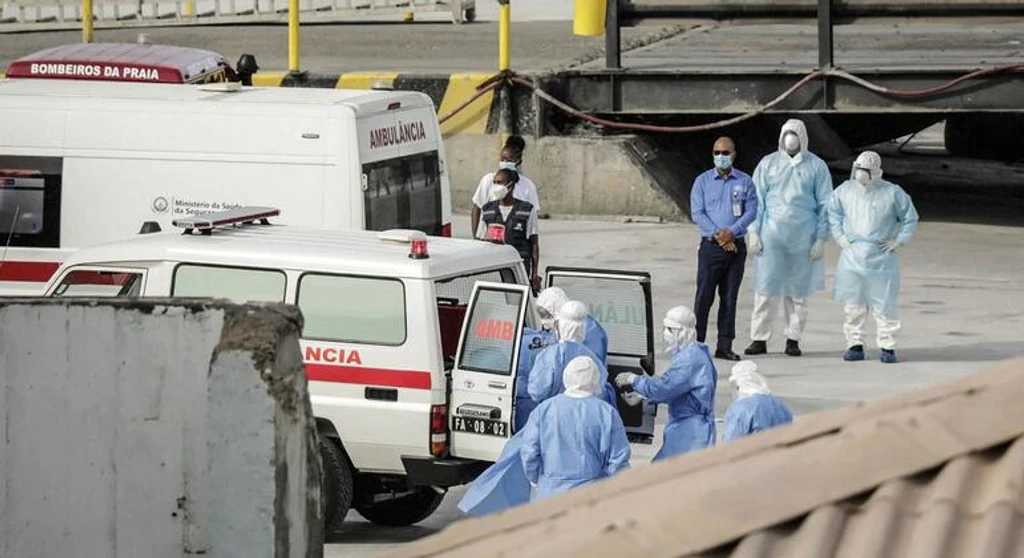
Spain has agreed to allow the ship to dock in the Canary Islands after Cabo Verde declined. A WHO expert team boarded the vessel in Cabo Verde to oversee medical assessments and disinfection. Passengers remain in their cabins; any developing symptoms will be isolated.
WHO warns the Andes hantavirus incubation period can be up to six weeks, so additional cases may emerge. "The best immunity we have is solidarity," said Dr. Tedros.