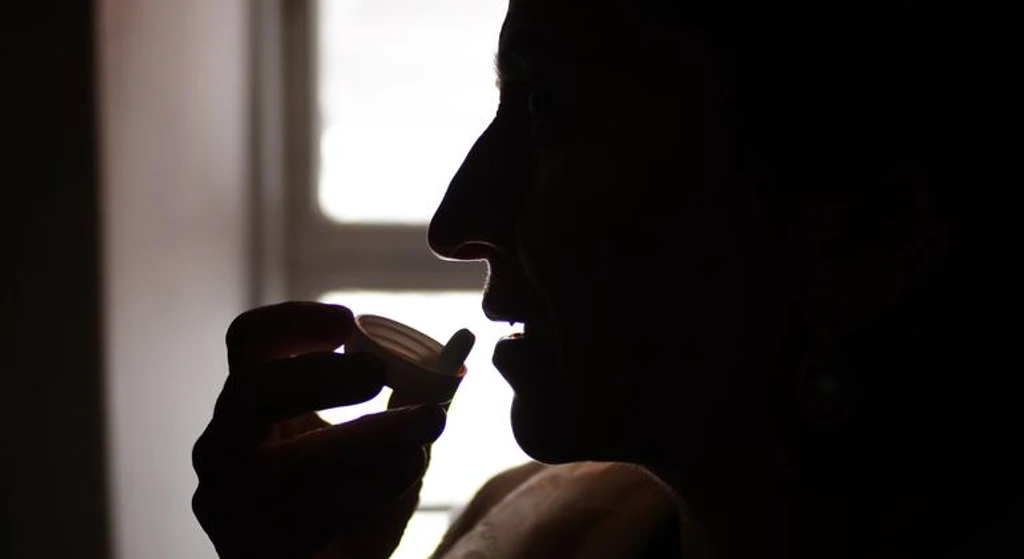
UNAIDS Executive Director Winnie Byanyima says the sudden decline in funding is hitting the HIV response "like a shock wave." She warned that prevention and support services are already collapsing in several countries.
Today, 9.3 million people living with HIV are still waiting to begin treatment, while there were 1.3 million new infections worldwide in 2024.
Byanyima said the funding crisis is having "real consequences." In Uganda, uptake of PrEP fell by 31% between December 2024 and September 2025. In Burundi, it fell by 64% over the same period. Condom distribution in Nigeria dropped by 55% between December 2024 and March 2025.
In eight countries where UNAIDS operates, 99.9% of HIV prevention services are funded externally, leaving programs highly vulnerable to aid reductions.
Byanyima also noted that in 2024, around 570 girls and young women were infected with HIV every day, and 60% of women-led HIV organizations have either lost funding or shut down.
Despite the setbacks, Byanyima stressed that scientific advances still offer a pathway to ending AIDS as a public health threat by 2030, but warned that abrupt funding cuts are pulling the world away from that goal.