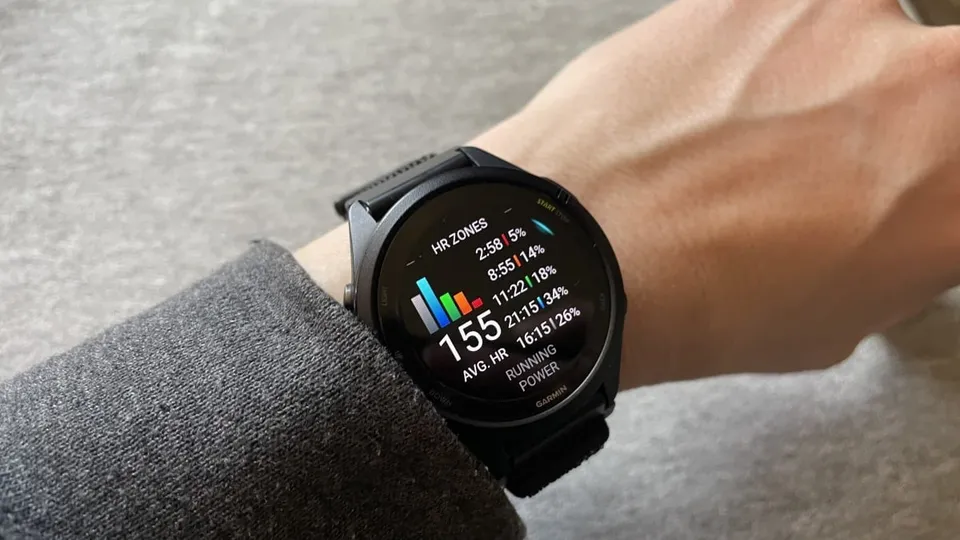
Heart rate zones are a key metric for gauging workout intensity during cardio activities like running or cycling. They quantify how hard your body is working, with higher heart rates indicating greater effort.

While fitness trackers display these zones, it's crucial to understand their application. Heart rate zones are specifically relevant for aerobic exercise, not strength training. During cardio, your heart rate increases to deliver oxygen and nutrients to your muscles. The zones translate this measurement into percentages of your maximum heart rate, typically ranging from Zone 1 (recovery) to Zone 5 (maximal effort).
Each zone offers distinct physiological benefits. Zone 2, for instance, supports low-fatigue aerobic conditioning, suitable for longer durations. Zone 4 is associated with tempo training, pushing your limits for sustained periods. A balanced training regimen incorporates work across all zones.
For beginners, focusing on perceived exertion is more valuable than strictly adhering to zone calculations. As you gain experience, you'll naturally correlate heart rate numbers with how your body feels. Inaccurate zone calibration, often due to age-based formulas for maximum heart rate, can mislead. For precise zone setting, a personal maximum heart rate test or observing your highest recorded heart rate during intense efforts is recommended.
Understanding the subjective feel of each zone is vital: Zone 1 is very easy, Zone 2 allows comfortable conversation, Zone 3 requires more focused breathing, Zone 4 is hard effort with limited speech, and Zone 5 is a brief, maximal output.
Zone 2 training is characterized by an easy, sustainable pace, allowing for extended duration without exhaustion. While beneficial for building aerobic capacity, especially for athletes with high weekly training volumes, moderate intensities are also valuable for most individuals engaging in shorter, regular workouts.