
New research indicates that certain genetic variants, present in about 10 percent of the population, may reduce the effectiveness of GLP-1 treatments such as Ozempic and Wegovy for type 2 diabetes.
These drugs mimic the GLP-1 hormone, which regulates blood sugar by increasing insulin and slowing digestion. However, patient responses vary significantly.
An international research team investigated genetics' role, focusing on the PAM enzyme and its gene. Variants in the PAM gene can interfere with hormone activation, including GLP-1, and are more prevalent in individuals with diabetes.
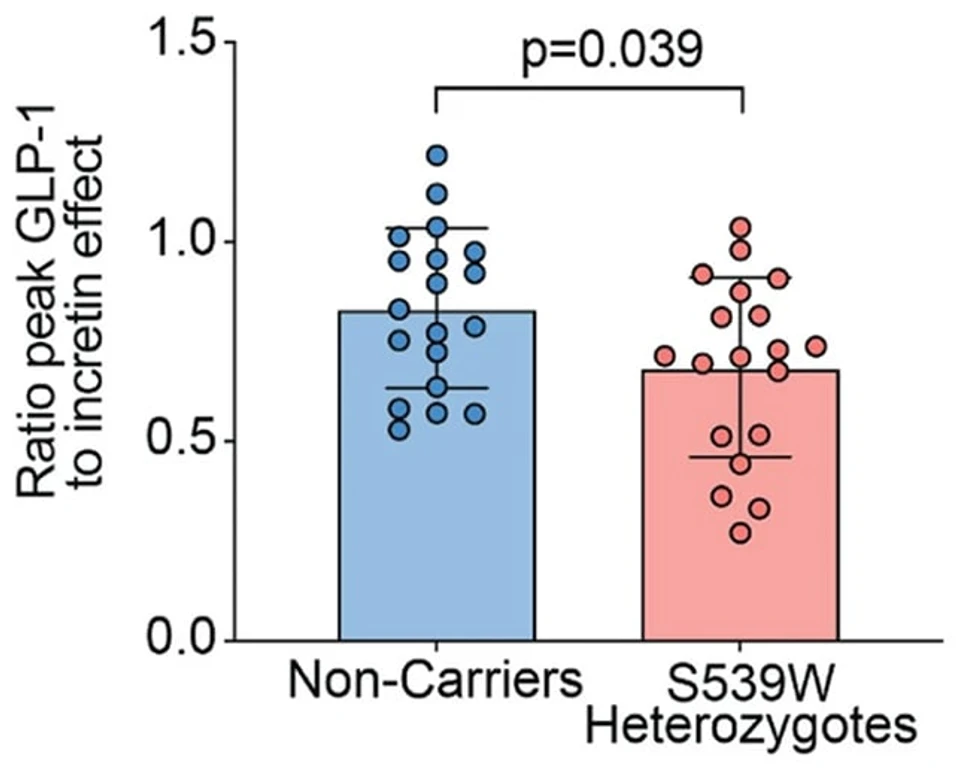
Studies compared individuals with a specific PAM gene variant (p.S539W) to control groups. Despite higher circulating GLP-1 levels in those with the variant, researchers found no increased biological activity. This indicated GLP-1 resistance, where the hormone is not properly processed.
Further tests on mice with a deactivated PAM gene also showed GLP-1 resistance, with blood sugar remaining unregulated despite elevated GLP-1.
Analysis of clinical trials involving over 1,100 participants confirmed that individuals with standard PAM gene variants responded better to GLP-1 medication than those with specific variations.
Future research may explore the exact mechanisms of this resistance and its impact on weight-loss GLP-1 drugs. Genetic testing could potentially identify patients likely to benefit from these treatments, saving time and resources. Modifications to GLP-1 drugs to overcome PAM gene variations are also a possibility, though still in early stages.