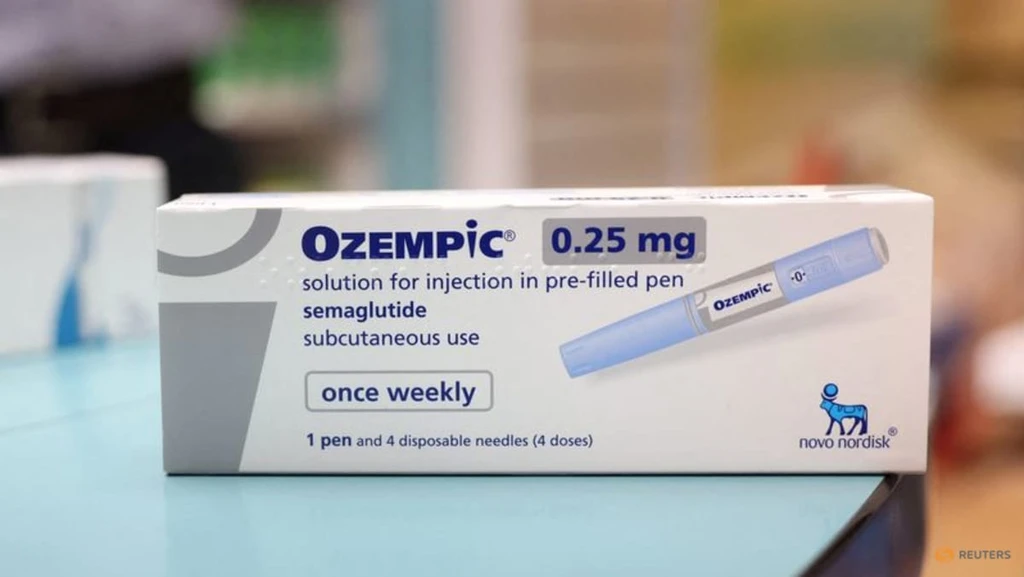
A growing body of evidence presented at the American Society of Clinical Oncology meeting in Chicago suggests that GLP-1 drugs-widely used for weight loss and diabetes-may provide protection against many types of cancer. Studies of clinical records and real-world databases tracked patients taking Novo Nordisk's Wegovy or Ozempic, Eli Lilly's Zepbound or Mounjaro, and older GLP-1 treatments.
The studies were not designed to show how GLP-1 use might affect cancer, but researchers believe reducing inflammation, regulating insulin signaling, and possibly engaging directly with tumor biology may contribute to a protective effect. "Chronic inflammation is a fundamental biological pathway involved in the development and progression of many cancers," said Dr. Elizabeth Susan McDonald of the University of Pennsylvania. Her study of 110,000 women showed those who took GLP-1 drugs were up to 35% less likely to develop breast cancer than those who did not.
Some of the strongest signals came from a study of more than 12,000 patients showing GLP-1 use was associated with markedly lower odds of cancers advancing to metastatic disease-particularly in lung, breast, colorectal, and liver cancers. People with those cancers who took GLP-1s were 38% to 50% less likely to see disease spread than those taking different diabetes drugs.
Researchers also reported that cancer patients receiving immunotherapies like Keytruda and Opdivo fared better when they were taking GLP-1 drugs, suggesting a possible interaction with the immune system.
A separate analysis of patients at U.S. community oncology practices found GLP-1 use associated with significantly better overall survival across six tumor types-breast, prostate, colorectal, lung, liver, and kidney-with roughly a one-third reduction in death risk.
The apparent cancer benefits were not clearly tied to the drugs' weight-loss effects, suggesting that alone does not explain the findings. A seven-year study with nearly 120,000 participants found GLP-1s were associated with lower rates of new prostate cancer diagnoses in high-risk men, even with minimal weight loss.
"We hypothesize that both weight loss and a direct anti-cancer effect and anti-inflammatory effect may be driving the associations observed in our study," said Dr. Colton Jones of the University of Texas San Antonio Mays Cancer Center.
Researchers cautioned that nearly all the data were from observational studies, raising the risk of confounding factors. Trials in which GLP-1s are added to standard treatment in some cancer patients but not others are needed to establish clear anti-cancer benefits. Some trials are already being planned.