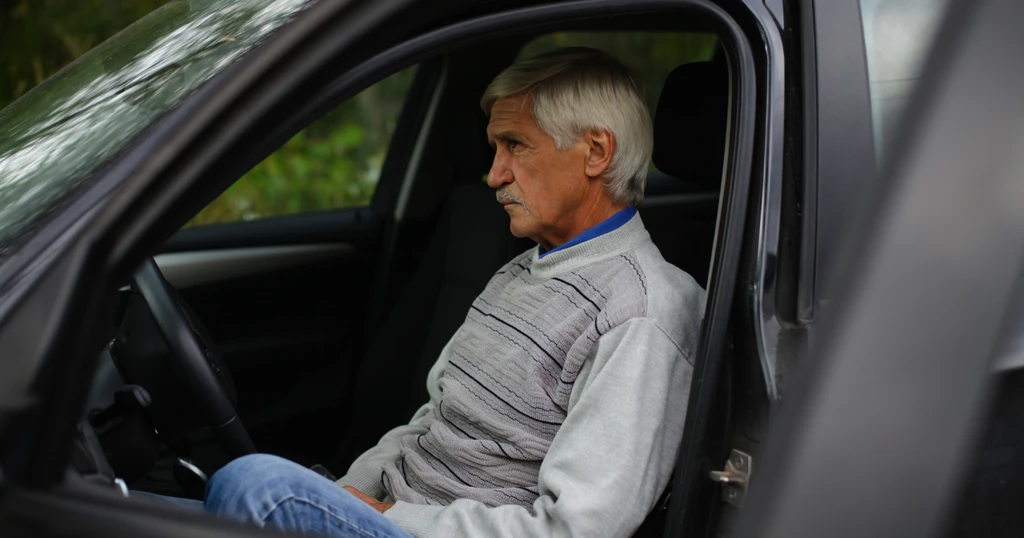
A man recounts a breakdown in a parking lot, triggered not by a serious medical diagnosis, but by the realization he had no one to call for comfort. For forty years, he cultivated the image of the "strong one" - an apprentice electrician, a business owner, a dependable figure for family and friends. This identity meant suppressing his own fears and needs.
He notes that after retiring, the calls for connection dwindled, as people assumed he was always fine. Even close friends, he realized, kept their deepest struggles private. This pattern extended to his own sons, who learned from his example that "Dad handles things" and doesn't need help.
Facing upcoming surgery, the man is actively trying to dismantle the emotional walls he built. Opening up to friends and family has been met with discomfort and silence, as people struggle to reconcile him with a version that admits fear. He is learning to answer "how are you?" honestly and communicate when something is bothering him.
He concludes that true strength isn't about carrying burdens alone, but admitting the need for support and reaching out, even when it's difficult. The "strong one" is simply a man who, like everyone, needs someone to reassure him that things will be okay.