
For decades, I believed identity was built through motion-constant achievement, relentless output. My grandfather swam daily until 89. I thought that was the secret: keep moving. But when illness forced me to stop, I didn’t just lose my schedule-I lost myself.
Psychology calls this "work enmeshment"-when your sense of self dissolves into what you produce. Rest isn’t recovery; it’s existential threat. The crisis isn’t job loss. It’s the silence after competence.

Burnout isn’t tiredness. It’s hollowing. You don’t feel drained-you feel absent. When the body halts you, there’s no distraction, no project to outrun the emptiness. Just a question you’ve avoided for years: Who are you when you’re not doing?
The answer terrifies most. "I don’t know." And that’s the awakening.
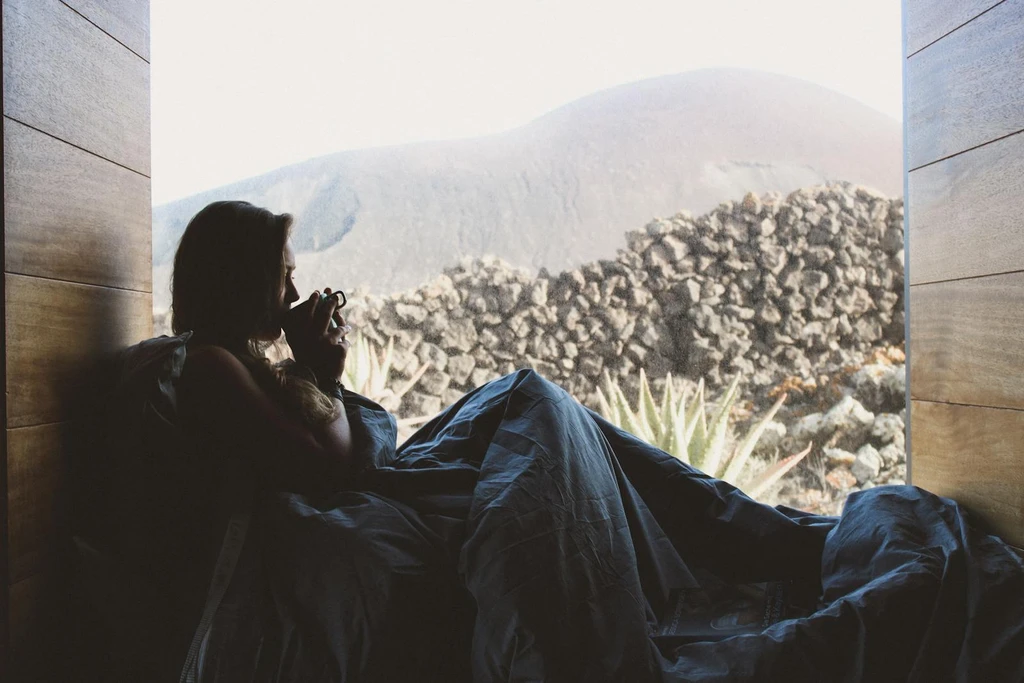
Recovery doesn’t end when you heal. The real work begins when you return to work-but now you see the gap between who you are and what you do. The person beneath the titles, the deadlines, the packed calendar: quieter, less impressive on paper, but undeniably real. And unexpectedly, enough.
My grandfather’s strength wasn’t in his swimming. It was in knowing who he was on the days he didn’t swim. Motion was expression-not substitution. That’s the distinction most never learn until the motion stops.