For years, I wrote about vulnerability, quoting experts and sharing personal struggles. I believed public essays and sharing on social media constituted bravery. This public performance, however, masked a deeper avoidance of true emotional honesty.
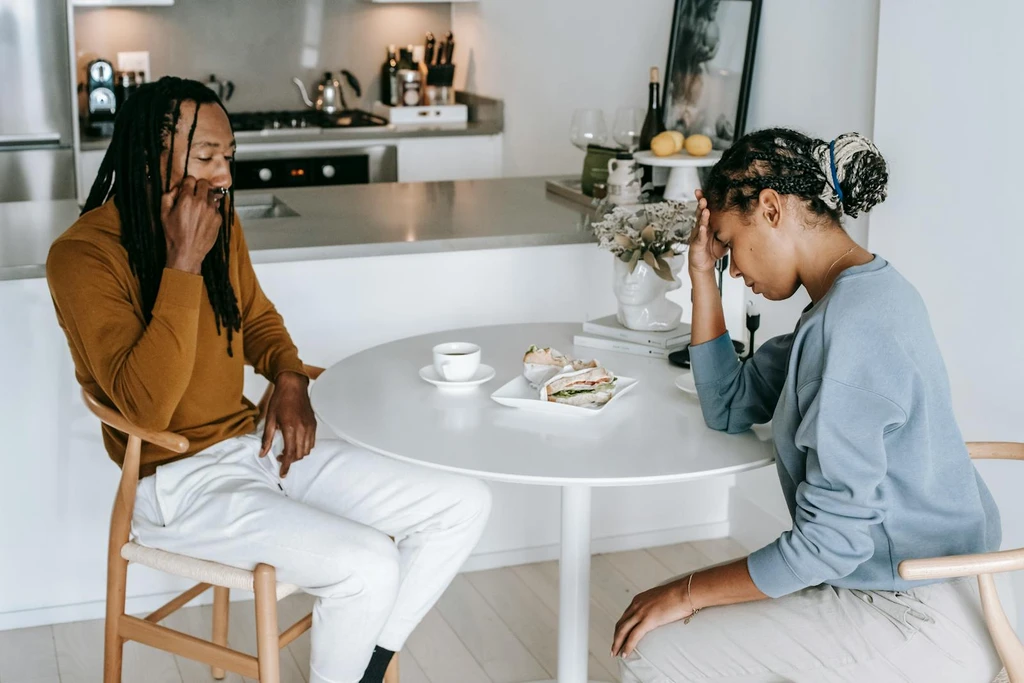
My perspective shifted when my partner asked what was wrong, and instead of the usual "nothing," I admitted a pervasive fear about failing in business, fatherhood, and our marriage. This private confession to the person whose opinion truly mattered, not to an online audience, was real vulnerability. It was vastly different from the curated version I had been presenting.
The personal development world often promotes vulnerability as a public act-a TED talk or a social media post. While this can be helpful, a more profound vulnerability occurs with an audience of one. It's admitting fear to a partner, jealousy to a friend, or unmet needs to a parent. These conversations, devoid of applause or online validation, are what truly transform relationships.
I used public vulnerability as a shield against private intimacy. While sharing openly with the world, I offered my wife an edited highlight reel of my emotional life. She observed I seemed more open in my writing than in our conversations, a realization that highlighted my avoidance of genuine connection.
Cultural norms often hinder men from expressing deep emotions. Growing up in a society that discourages male vulnerability, many men lack the emotional vocabulary to articulate anything beyond "fine." This emotional "ignorance" prevents true intimacy, leaving partners feeling disconnected.
Learning Vietnamese as an adult provided a parallel experience. The discomfort of being bad at something publicly mirrors the fear of emotional honesty. Both require shedding a polished persona and embracing imperfection. With time and grace, both language and emotional honesty can develop.
Now, I practice a simple change: pausing before answering my wife's question about my well-being. This brief check helps me discern between a convenient response and the genuine one. Choosing honesty, even when uncomfortable, like admitting anxiety about finances or insecurity as a father, deepens our connection.
True presence, as taught by Thich Nhat Hanh, involves emotional presence-being present with our fears and uncertainties. This allows others to connect with our authentic selves, not a performance.
For men who perform "fine" while hiding deeper emotions, the crucial lesson is this: your partner needs your honesty, not your bravery in front of strangers. Stop saying "fine" when it's not true. Sit with the discomfort of truth, and allow your loved one to truly know you. The relief of being known is worth the difficult journey.