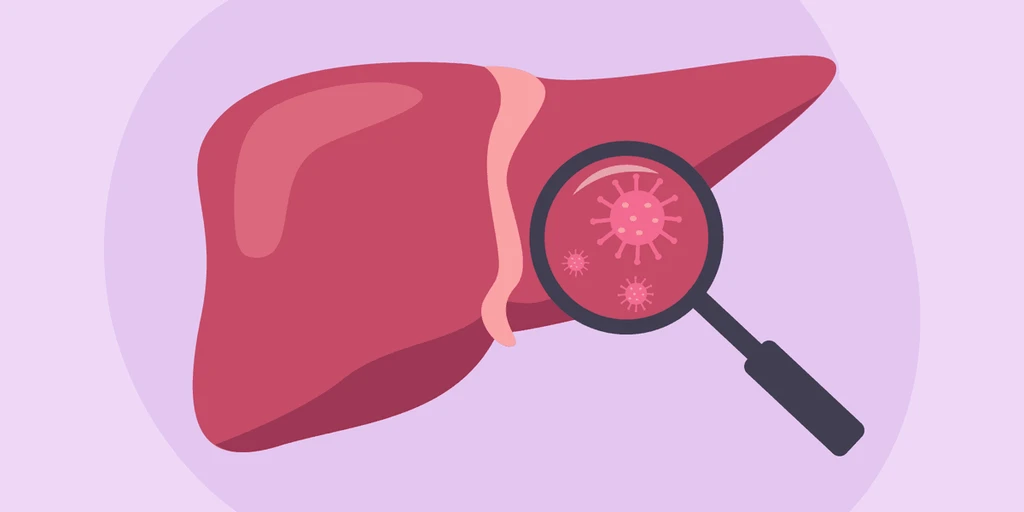
May is Hepatitis Awareness Month. Around 4.5 million adults in the US have chronic liver disease, and women are more susceptible than men. While often linked to alcohol, liver disease can also stem from excess weight, autoimmune conditions, and viruses.
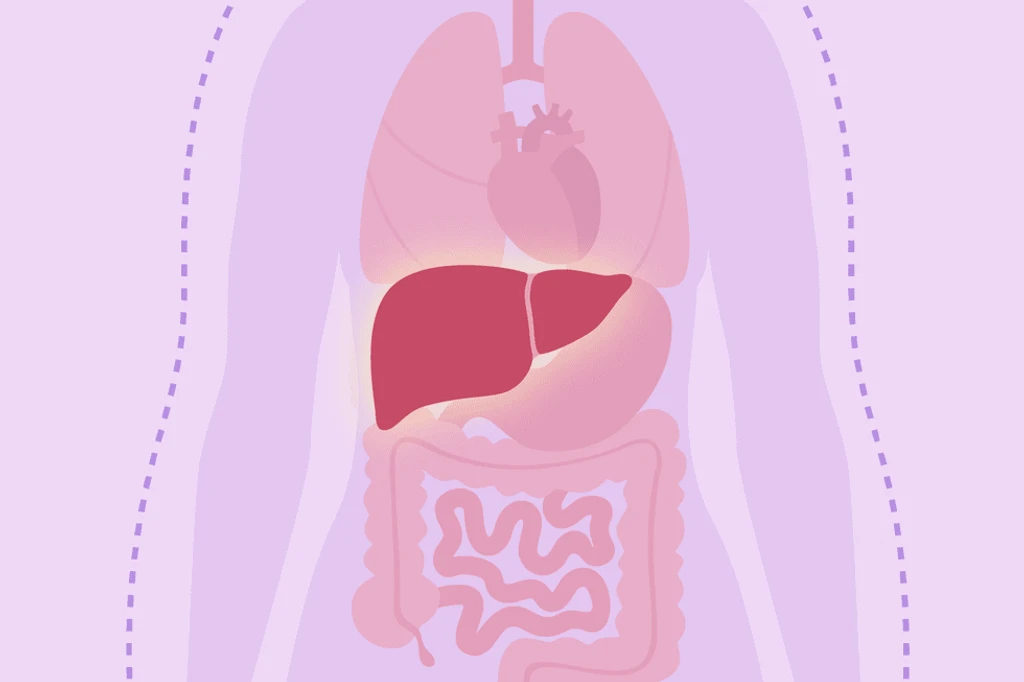
The liver, the body's largest internal organ, filters toxins, processes nutrients, and produces essential proteins. It can regenerate, but chronic damage leads to disease.
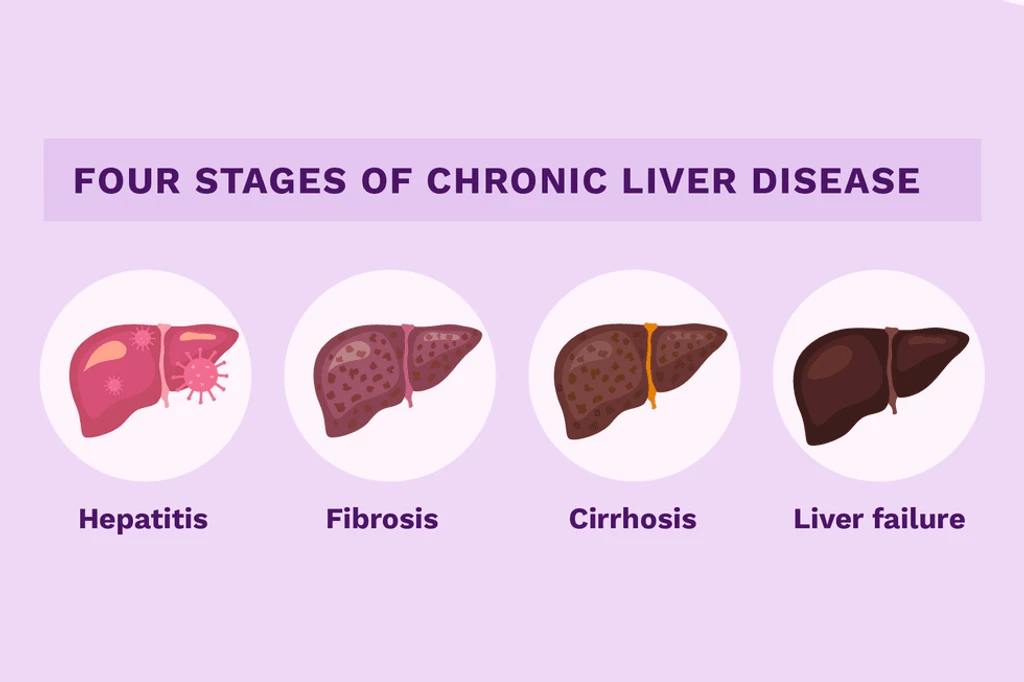
Liver disease can be acute or chronic. The four stages of chronic disease are hepatitis, fibrosis, cirrhosis, and liver failure. Cirrhosis often involves permanent scarring, and the only treatment for liver failure is a transplant. Symptoms like jaundice, confusion, and swelling often appear late.

Common causes include autoimmune hepatitis, primary biliary cholangitis (mostly in middle-aged women), viral hepatitis, and steatotic liver disease (SLD), formerly known as fatty liver disease. SLD includes metabolic dysfunction-associated steatotic liver disease (MASLD) and alcohol-associated liver disease (ALD).
Early detection is key. Healthcare providers find liver disease through bloodwork. Risk can be reduced by limiting alcohol, maintaining a healthy diet, and exercising regularly.