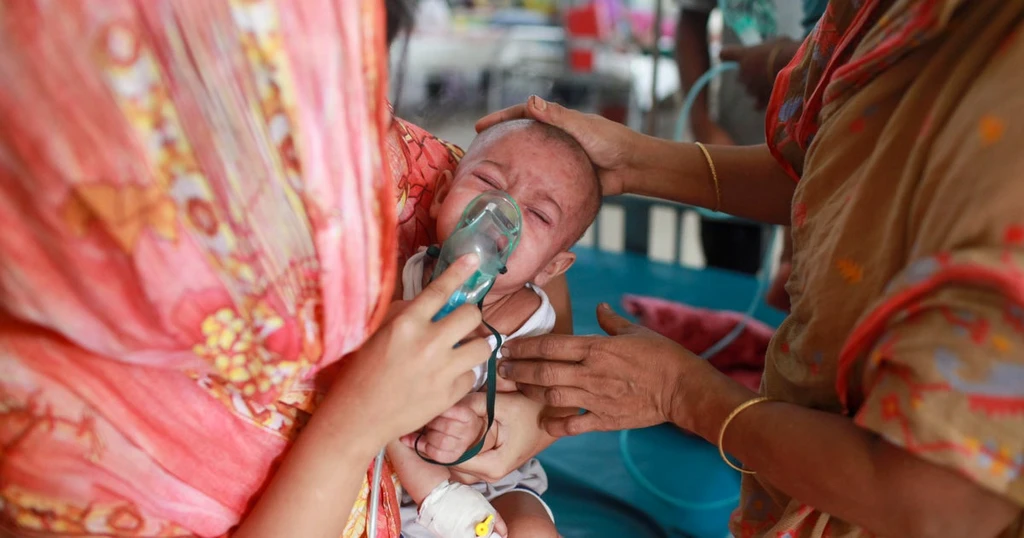
A measles outbreak in Bangladesh has killed nearly 400 people, mostly children, and health experts warn it could pose risks to the United States as domestic cases climb and vaccination rates fall.
Bangladesh's health authorities report over 56,000 suspected cases, more than double since early April. Hospitals are overwhelmed, with patients treated on floors. Many infected children were unvaccinated or only partially vaccinated. UNICEF officials cite government vaccine supply changes causing a three-year immunity gap.
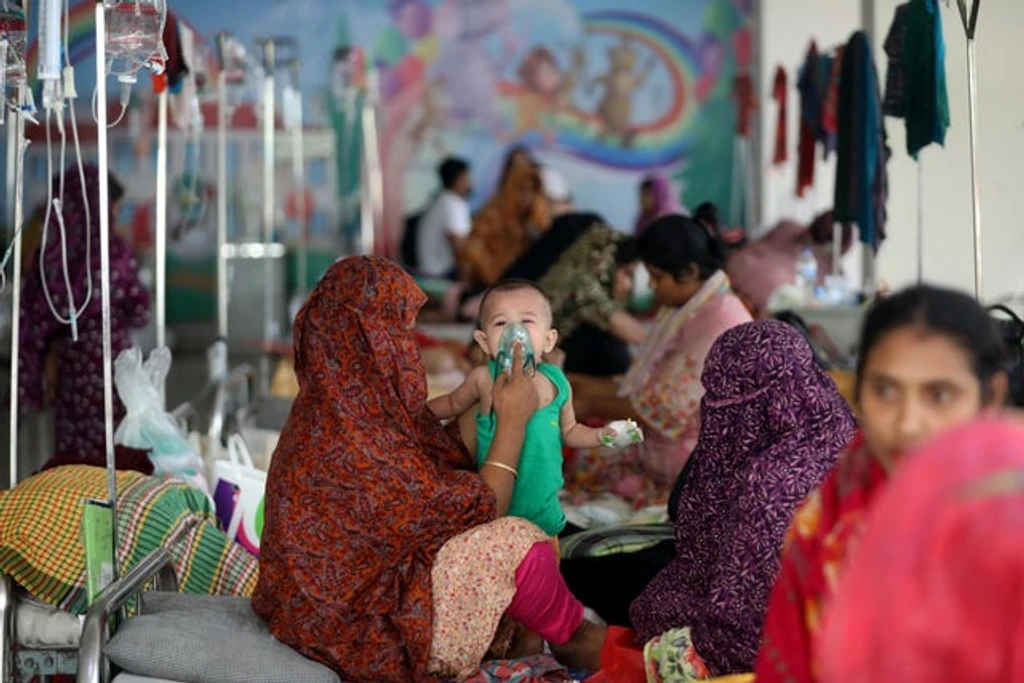
Measles is one of the most contagious viruses globally, spread through airborne droplets. The U.S. CDC warns overseas outbreaks threaten Americans. As of early May, the U.S. has recorded 1,842 confirmed cases across 39 states this year, with 93% linked to outbreaks. In 2025, cases surged to 2,288, the highest since 1991.
CDC data show MMR vaccination among U.S. kindergartners dropped from 95% pre-pandemic to as low as 92% nationally. Johns Hopkins research indicates declining rates in 78% of U.S. counties. The U.S. eliminated measles in 2000, but ongoing outbreaks risk losing that status.
CBS News medical correspondent Dr. Céline Gounder expressed concern about the upcoming soccer World Cup, saying measles is the biggest health threat due to low vaccination pockets in the U.S. and outbreaks abroad.
Bangladesh has launched an emergency vaccination campaign, aiming to vaccinate 18 million children, with support from UNICEF and the WHO.