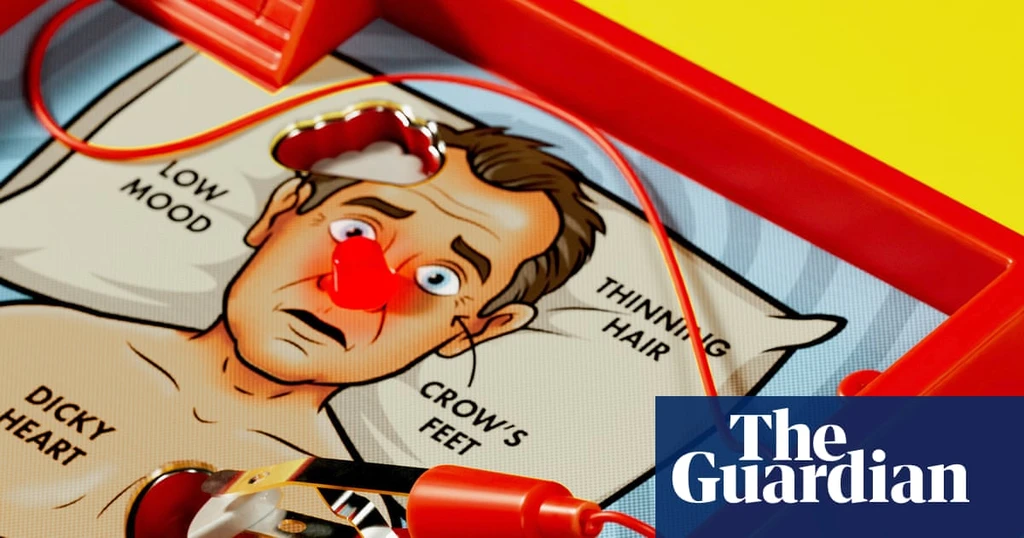
Men entering their mid-40s face distinct physiological shifts that render younger dietary and fitness strategies obsolete. Testosterone levels drop annually while insulin sensitivity decreases and muscle mass declines. Dietician Rick Miller warns that calorie restriction accelerates this muscle loss. Instead, men over 40 require 1.6g to 2.2g of protein per kilogram of body weight daily to preserve metabolic function. Diets must also prioritize magnesium, vitamin D, and zinc while limiting refined carbohydrates and alcohol to combat chronic inflammation and cardiovascular risk.
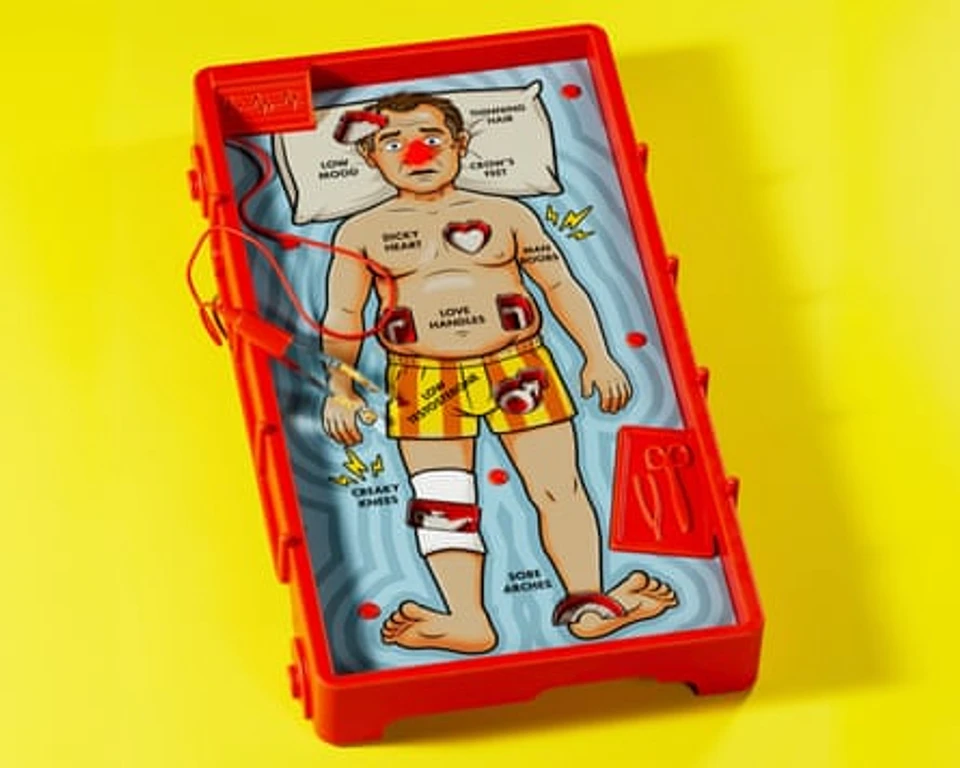
Exercise protocols must evolve beyond simple cardio. David Vaux, author of Stronger, identifies resistance training as a critical investment in future independence. Muscle mass naturally decreases by up to 8% per decade after age 30. Functional strength exercises like squats and lunges are essential for maintaining resilience against injury and cognitive decline. However, recovery becomes as vital as intensity; avoiding the high-impact mentality of youth prevents debilitating injuries that sideline long-term fitness goals.
Dermatologically, men possess thicker skin but often neglect sun protection, leading to advanced aging. Dr. David Jack recommends a streamlined routine: an AHA or BHA cleanser, antioxidant serum, and SPF 50 moisturizer. Evening retinoid use supports collagen production. For aesthetic corrections, subtle interventions like Botox or hyaluronic acid fillers yield better results than aggressive treatments when administered by medically trained practitioners focused on natural anatomy.
Mental health represents a critical vulnerability, with middle-aged men facing the highest suicide risk of any demographic. Psychiatrist Dr. Jonathan Garabette notes that biological factors, including hormonal changes, compound socioeconomic stressors like divorce or financial strain. Lifestyle interventions, particularly exercise and social connection, can reduce depression risk by over 50%. Therapy should be reframed as proactive maintenance rather than crisis management, utilizing goal-focused approaches tailored to male preferences.
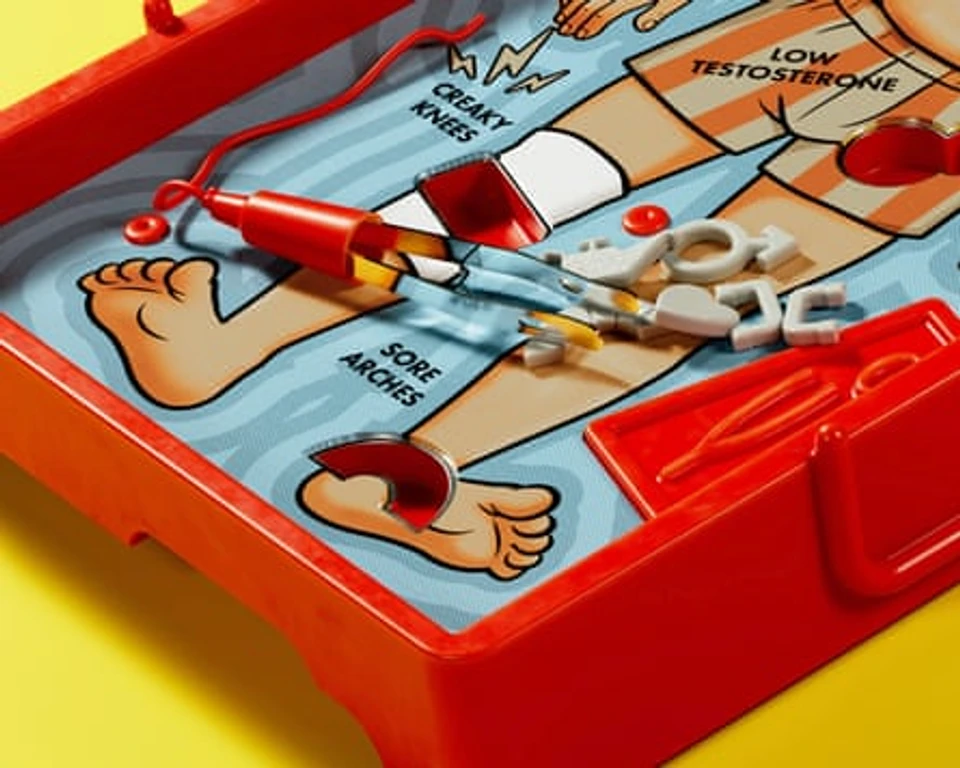
Hair loss affects two-thirds of men by age 35, primarily driven by genetics and hormones. Dr. Marco Nicoloso emphasizes early medical intervention over immediate transplants. Finasteride and minoxidil can delay thinning progression, whereas transplants performed without stabilizing medication often result in uneven density as native hair continues to recede. Adequate protein intake and daily scalp hygiene remain foundational for preserving follicle health alongside pharmaceutical treatments.