Winnie Byanyima, Executive Director of UNAIDS, has declared the current state of global HIV response a perilous moment, marking the most serious disruption since the fight against the disease began. A confluence of sharp funding cuts, reduced civic space, and increased criminalization of marginalized populations has created what officials describe as the biggest storm the HIV response has ever faced.
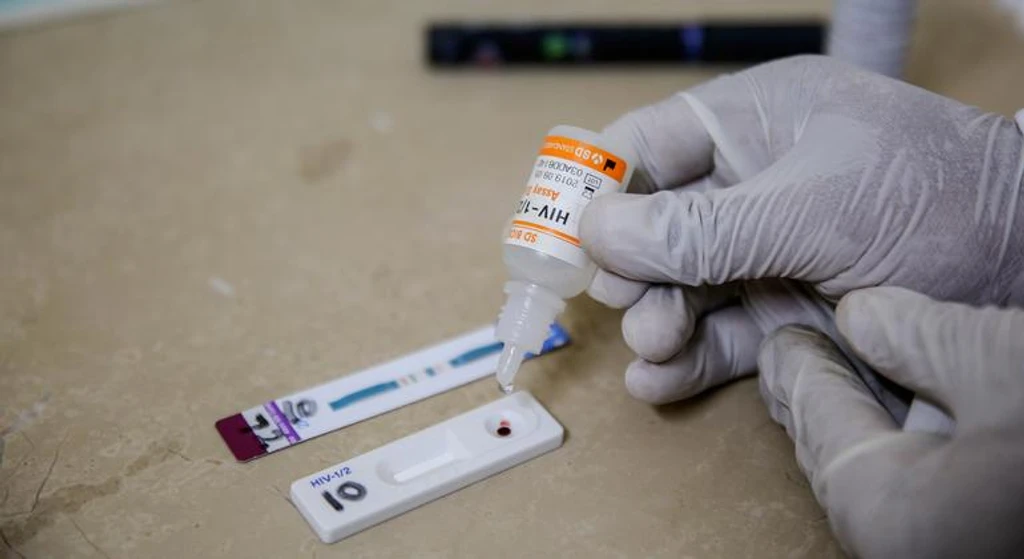
Global development assistance plummeted by 23 percent in 2025, the steepest drop on record. This financial contraction has severely impacted critical infrastructure: testing programs in high-burden settings fell by 22 percent, while funding for condoms was cut by more than 90 percent in some regions. Consequently, uptake of PrEP, a daily preventative medicine, dropped 38 percent across 62 reporting countries between 2024 and 2025.
The human cost is evident in sub-Saharan Africa, where 3,000 adolescent girls and young women acquire HIV every week. Community-led organizations report devastating service reductions, including an 82 percent drop in support for sex workers and an 85 percent reduction for men who have sex with men. These cuts undermine trust and effectiveness precisely when new long-acting prevention innovations are coming to market.
Despite these setbacks, the past 25 years have yielded significant victories. AIDS-related deaths decreased by 56 percent from 2010 to 2025, and new infections fell by 43 percent. Currently, 78 percent of the 40.9 million people living with HIV are on treatment. However, nearly nine million individuals remain without access to life-saving medication, making these gains fragile.
Looking ahead, UN Member States are set to adopt a new political declaration at the High-Level Meeting on HIV/AIDS in June. The declaration aims to align with the Global AIDS Strategy, targeting 40 million people on antiretroviral treatment and 20 million with access to preventive medicine by 2030. Byanyima emphasizes that ending AIDS by 2030 remains possible, but only if political will translates into sustained investment rather than retreat.