
Severe myopia, or short-sightedness, significantly increases the lifetime risk of developing glaucoma, a leading cause of irreversible vision loss. While often associated with older age, glaucoma's "silent thief of sight" nature means early detection is crucial, especially for those with high myopia. Myopic eyes are more fragile, making their optic nerves susceptible to damage even at lower intraocular pressures.
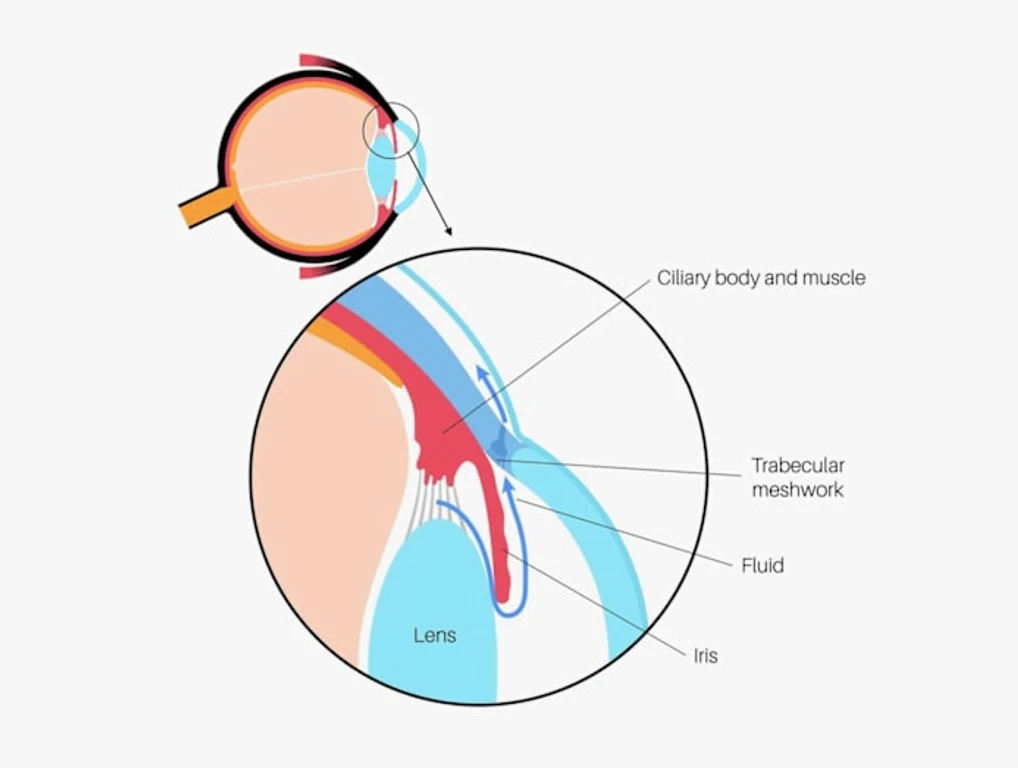
Glaucoma arises from a buildup of fluid in the eye, leading to increased intraocular pressure that damages the optic nerve. Risk factors beyond severe myopia include age, family history, diabetes, and steroid use. Conditions like LASIK surgery itself do not cause glaucoma, but certain corneal implants (ICLs) may contribute to pressure buildup by altering fluid dynamics.
Newer treatments like the PreserFlo MicroShunt offer hope. A study showed this implant can significantly reduce intraocular pressure and lessen reliance on medicated eye drops for many patients, with nearly two-thirds achieving controlled eye pressure after two years. While surgery aims to preserve vision, it cannot reverse existing optic nerve damage.
Regular comprehensive eye examinations, understanding personal risk factors, and managing overall health are key preventative measures. For those with high myopia or other risk factors, more frequent screening is advised.