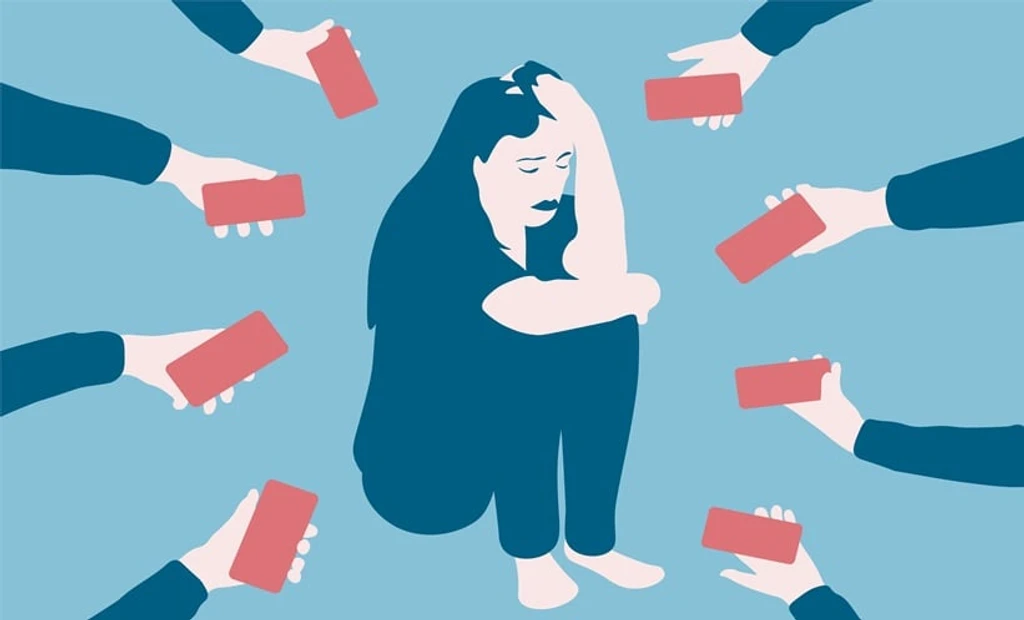
Mental health misinformation is rampant across social media, with over half of analyzed posts containing inaccurate or misleading information, according to a systematic review. As platforms become a primary source for health advice, concerns over content reliability are escalating, especially for mental health and neurodivergence topics.
The review, encompassing 27 studies and over 5,000 posts on platforms like TikTok and YouTube, found misinformation prevalence ranging from 0% to 56.9%. TikTok showed higher rates than YouTube, and neurodivergence content, including autism and ADHD, was more frequently inaccurate than general mental health information.
Posts by healthcare professionals and reputable organizations were generally more accurate, while user-generated content often contained misleading claims. This widespread misinformation poses a significant public health challenge, potentially shaping beliefs, encouraging self-diagnosis, and delaying necessary care.
Researchers emphasize the urgent need for action, calling for mental health organizations and clinicians to actively share evidence-based content. Stronger content moderation and clearer standards for online health information are also recommended to safeguard public understanding and support informed decisions.