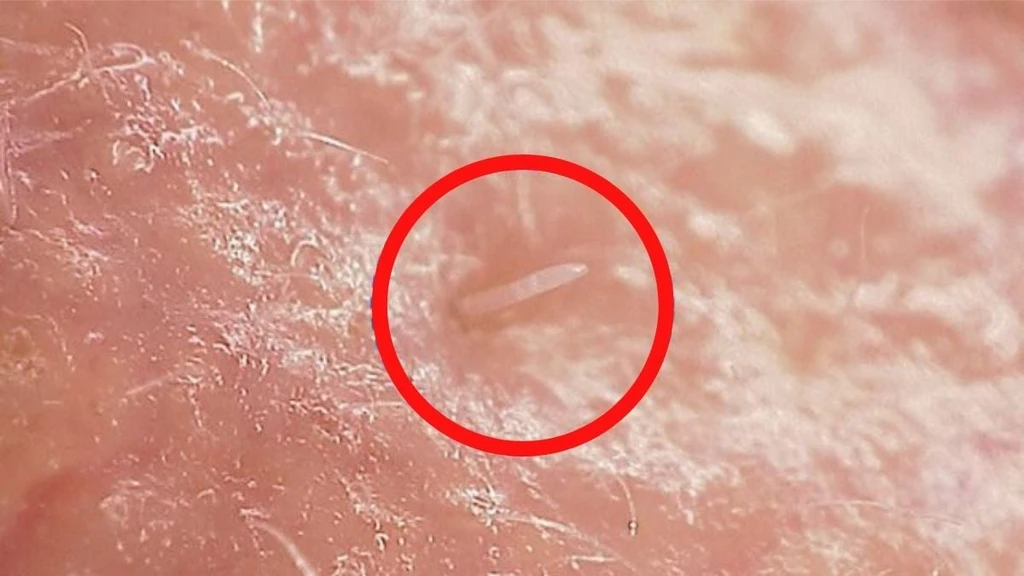
New genetic research reveals microscopic mites that live on the human face are in the process of merging with our bodies. The study, published in Molecular Biology and Evolution, shows the tiny creatures are becoming so specialized to their human habitat that they can no longer survive independently.
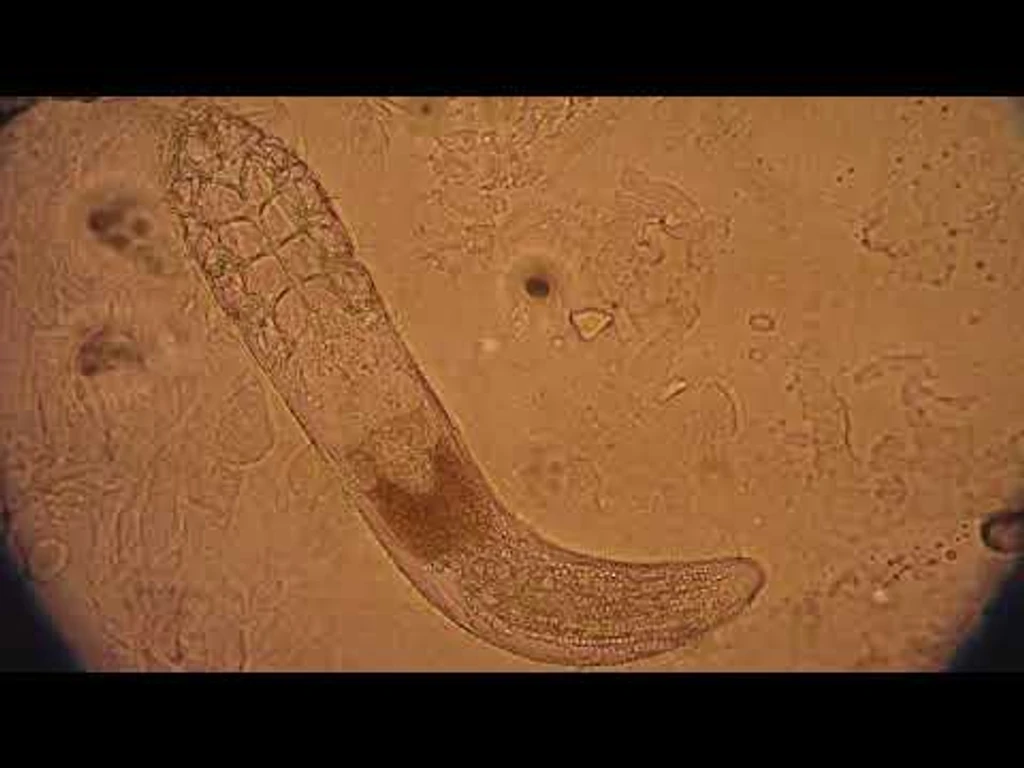
Humans are the exclusive habitat for Demodex folliculorum. These mites burrow head-first into facial hair follicles, feeding on dead skin cells. Their entire life cycle, from birth to death, occurs on their human host.
Sequencing the mites' genomes revealed their human-centered existence has driven unique genetic changes. Their bodies have been reduced to bare essentials, with minimal protein-coding genes. The loss of genes involved in UV protection and daylight wakefulness explains why the mites only emerge at night.
Reproductive organs have evolved differently. Male mites have a forward-facing penis, requiring them to arrange themselves underneath females on a hair shaft for mating. Researchers also discovered the mites do possess tiny anuses, dispelling the long-held belief they lacked this organ.
Scientists suggest this long association with humans indicates the mites could have beneficial roles, such as helping keep facial pores unblocked.