
For millennia, residents of the Argentinian Andes have consumed water laced with lethal levels of arsenic. While this toxin causes cancer and death globally, a specific population has survived unscathed.
Scientists have identified the biological reason. A new DNA analysis reveals that inhabitants of San Antonio de los Cobres carry a unique genetic mutation. This variant allows their bodies to efficiently process and excrete the toxic metalloid, bypassing dangerous intermediate stages.
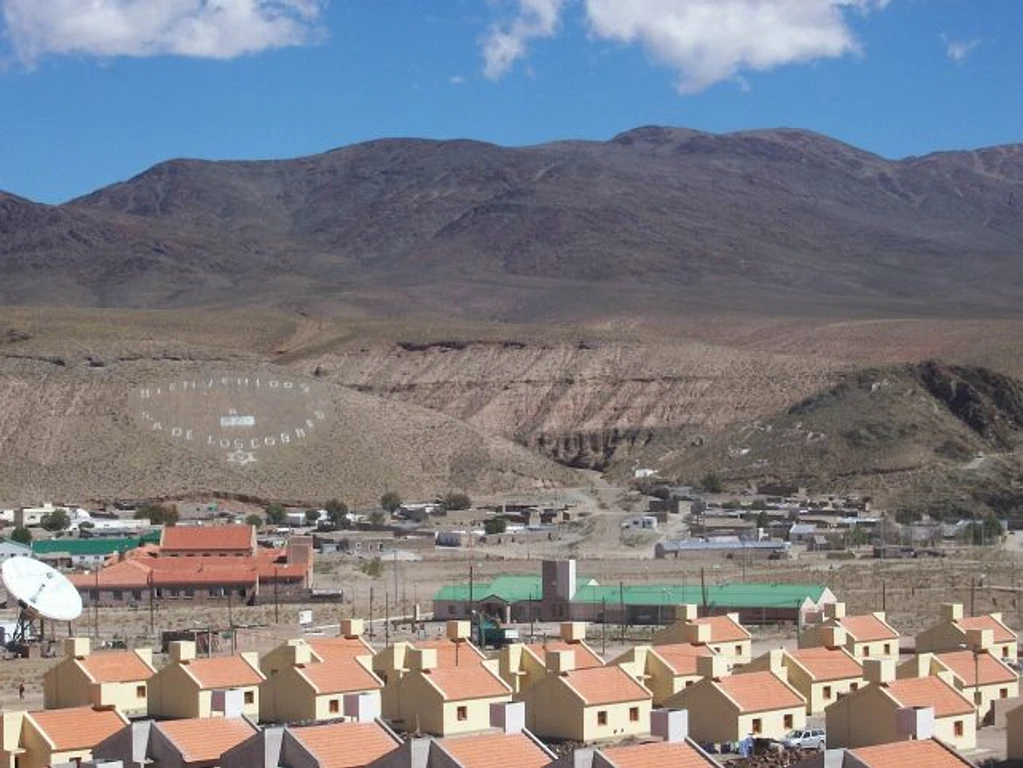
Led by evolutionary biologists from Uppsala University, the research team studied women whose urine samples indicated superior arsenic metabolism. They pinpointed variants near the AS3MT gene. These markers were significantly more common in the Argentine community compared to populations in Peru and Colombia.

Before filtration systems arrived in 2012, local groundwater contained 20 times the World Health Organization’s safety limit. Yet, humans have inhabited this high-altitude plateau for over 7,000 years. Natural selection favored those capable of tolerating the environmental stressor. The findings, published in Molecular Biology and Evolution, mark the first evidence of human adaptation to a specific toxic chemical at the genomic level.