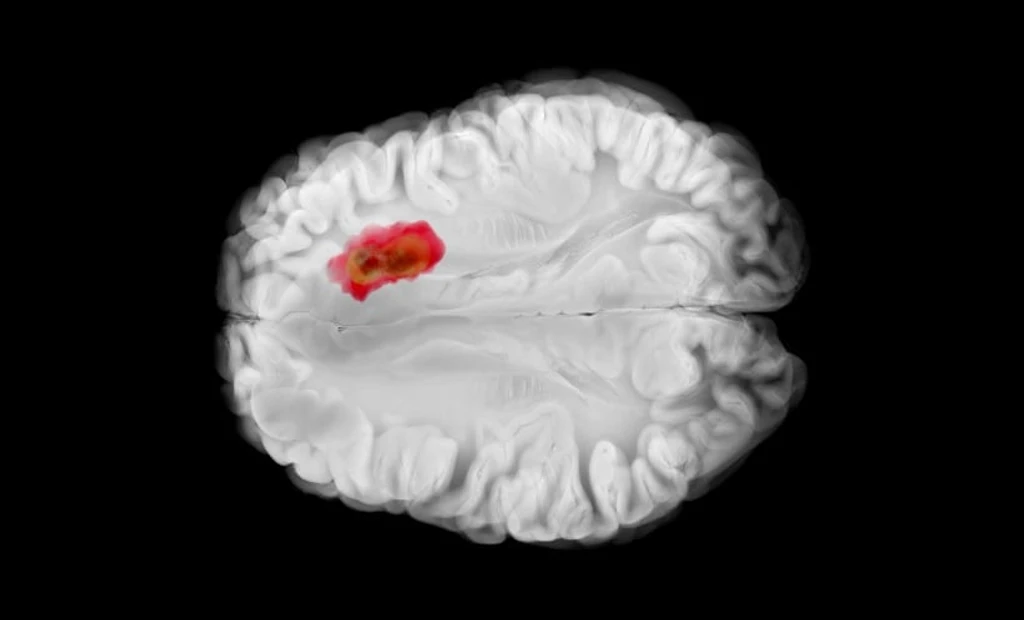
MULTIPLEX MRI could enhance the evaluation of glioma grade and molecular subtype through a single, advanced imaging scan.
Gliomas are brain tumors originating from glial cells, classified by grade and molecular markers. Accurate classification guides treatment and prognosis, but conventional MRI often relies on visual interpretation, limiting its ability to reflect molecular complexity.
MULTIPLEX MRI delivers quantitative data by measuring T1 and T2* relaxation times, proton density, and magnetic susceptibility in one scan. These metrics offer objective insights into tissue composition, potentially distinguishing between tumor subtypes that appear similar on standard MRI.
In a study of 72 patients, researchers analyzed 48 quantitative parameters across tumor regions. Lower-grade gliomas and those with IDH mutations or MGMT methylation showed higher T2* values. Distinct patterns also emerged in tumors with 1p/19q co-deletion.
The findings suggest MULTIPLEX MRI can detect biologically relevant differences tied to tumor grade and genetics. However, results are preliminary-based on a single-center cohort-and do not replace biopsy or standard MRI. Further validation is needed to assess clinical utility.
If confirmed, this technique could align imaging more closely with modern, molecularly driven glioma classification systems.