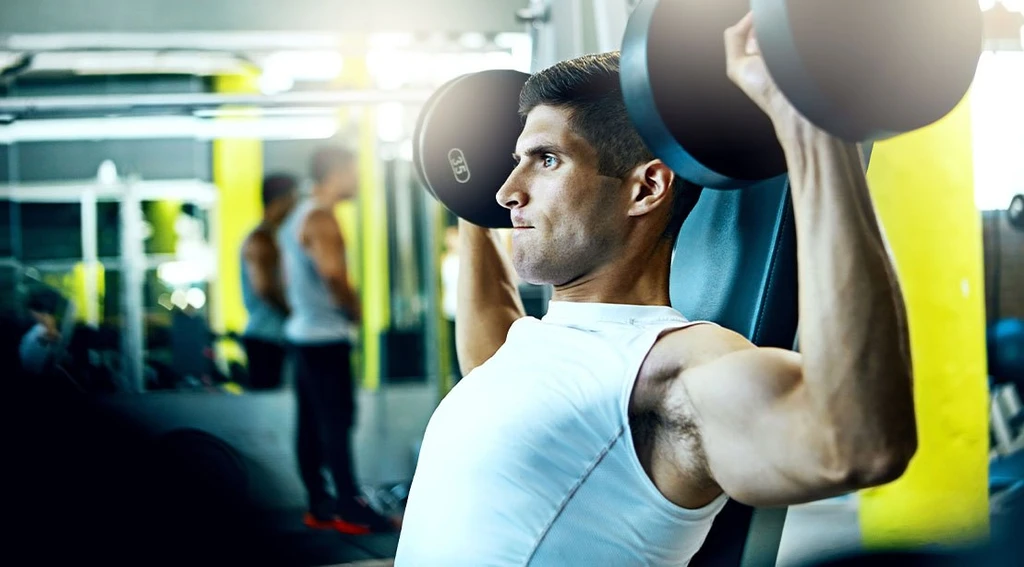
Broad shoulders define physical presence and athletic strength. The seated shoulder press remains the premier exercise for building this aesthetic and functional power.
The deltoid comprises three heads: front, side, and rear. During pressing movements, the front deltoids bear the primary load, supported by the triceps and upper back stabilizers. For beginners, the seated variation is superior because it eliminates body English and lower back cheating common in standing presses.
Stability is paramount when learning mechanics. Machines or Smith setups allow trainees to establish proper movement patterns while strengthening smaller stabilizing muscles. This approach protects joints before advancing to free weights.
Seat height dictates effectiveness. Handles should start at ear or shoulder level. Too low creates awkward leverage; too high reduces range of motion. Wrist alignment must remain straight, stacked over forearms to prevent tendon stress.
Elbow position also matters. Avoid behind-the-neck presses, which force external rotation and invite impingement. Keep elbows slightly forward in a natural arc above the head.

Shoulder injuries are notoriously stubborn. Rotator cuff irritation stems from poor mechanics, excessive weight, and ego-driven training. Prevention requires controlled weights, thorough warm-ups, and gradual progression.
Strength built patiently lasts longer than strength borrowed through momentum. The seated shoulder press endures because it works, transforming average physiques into powerful silhouettes.