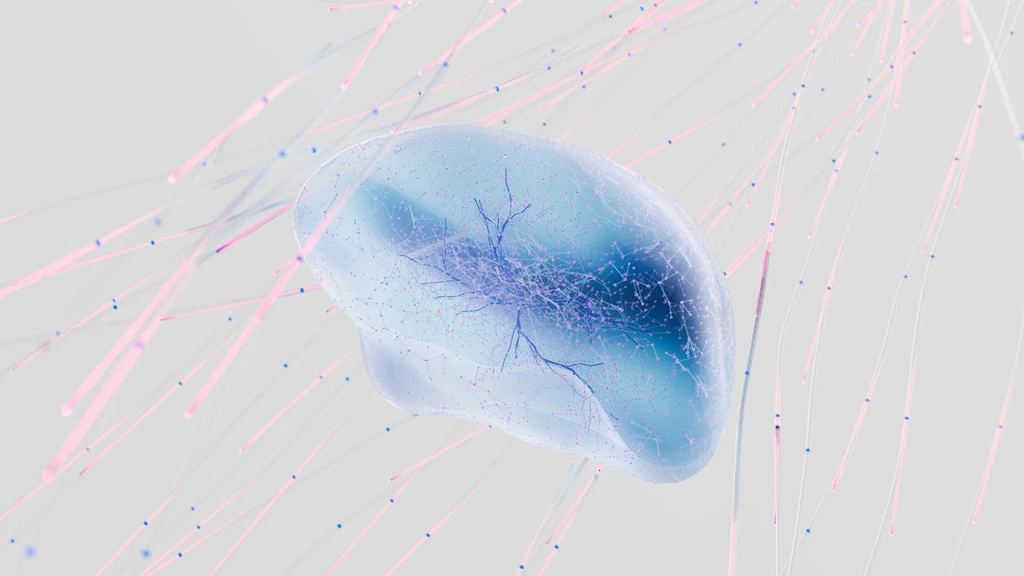
You've just left a gathering, conversations engaging and people interesting. Yet, upon returning home, you feel mentally exhausted, needing urgent solitude to feel like yourself again. This isn't about being anxious or depressed; it's a distinct neurological process.
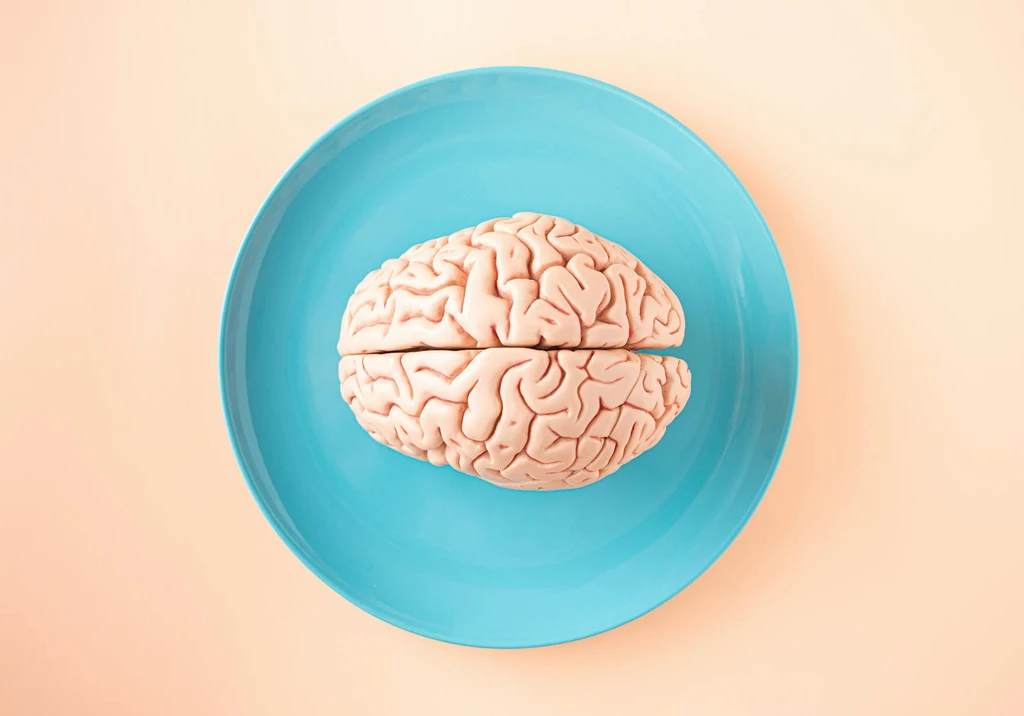
The popular idea of a "social battery" is incomplete. Neuroscience shows introverted individuals have lower dopamine-system reactivity to social stimuli. Social interactions are less rewarding and more cognitively costly for these brains, not simply draining energy.
Beyond dopamine, acetylcholine plays a key role. This neurotransmitter is linked to inward-focused attention and reflection. After socializing, brains shift from external dopamine-driven processing to internal acetylcholine-driven processing. The discomfort isn't exhaustion, but the brain's urgent request for this system switch.
Furthermore, highly sensitive individuals process sensory input more deeply, making social interaction a data firehose. Solitude allows their brains to 'close tabs' on this continuous background processing.
This need for solitude is not shyness or social anxiety; it occurs after pleasant interactions. It's a legitimate biological signal, not a weakness to overcome.

The default mode network (DMN), responsible for self-reflection and meaning-making, is suppressed during social engagement. Extended socializing creates a backlog for DMN processing, which solitude addresses. This quiet time is functional, allowing the brain to process accumulated data.
Western culture often misinterprets solitude as disengagement, leading to environments that disadvantage those who require it for optimal processing. This bias can impact productivity and well-being.
For those needing post-social solitude, it's an inherent neurological architecture, not a preference to change. The transition between social and solitary modes matters. A brief, low-stimulation activity can serve as a bridge between external and internal processing.
Your brain isn't weak; it's thorough. It processes social information with greater depth and nuance. The need for solitude is a predictable consequence of a system that takes its job seriously, allowing for exceptional cognitive work.