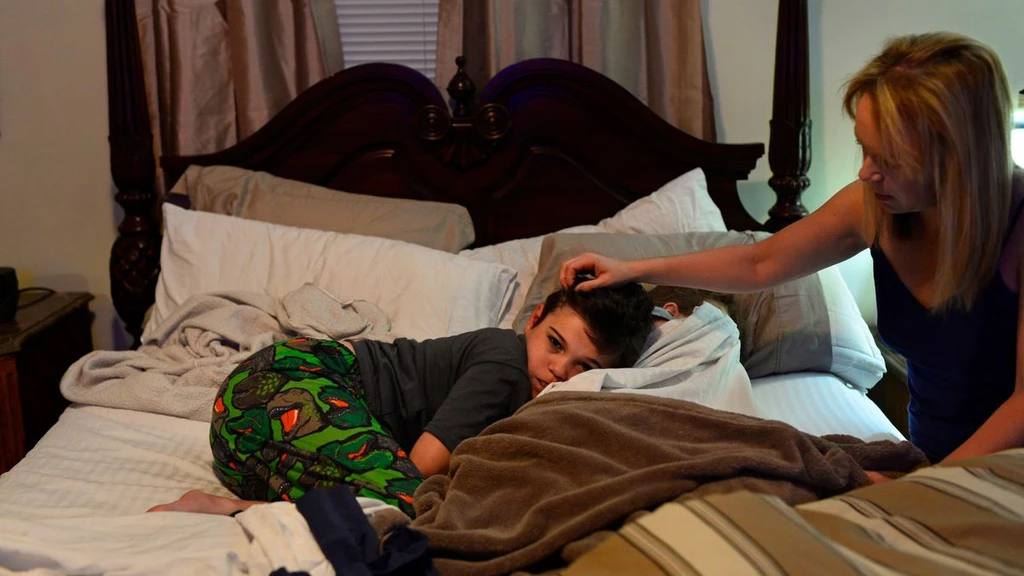
A groundbreaking new drug, zorevunersen, has demonstrated a remarkable reduction in seizures for children suffering from Dravet syndrome, a severe form of childhood epilepsy. In an early-stage clinical trial, the drug appeared to slash seizure frequency by up to 90% by targeting the genetic mutation underlying the condition.
Beyond seizure reduction, the study also indicated improvements in neurodevelopmental delays and overall quality of life, aspects not addressed by current treatments. Zorevunersen works by increasing the production of essential proteins related to the SCN1A gene, which is often dysfunctional in Dravet syndrome patients.
The drug was administered via lumbar puncture to ensure delivery to the brain. While the trial involved a small cohort and lacked a placebo group, initial safety data showed the drug to be well-tolerated. Larger trials are currently underway, with potential availability for patients several years away.