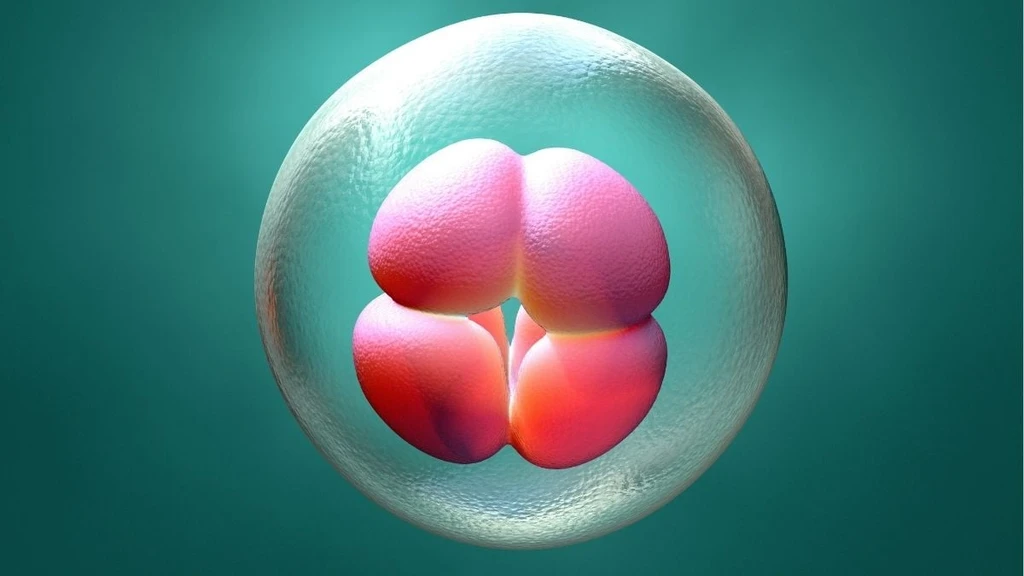
Scientists have confirmed that a single gene, NANOG, is critical for the earliest moments of human life. Without it, embryos cannot form properly.
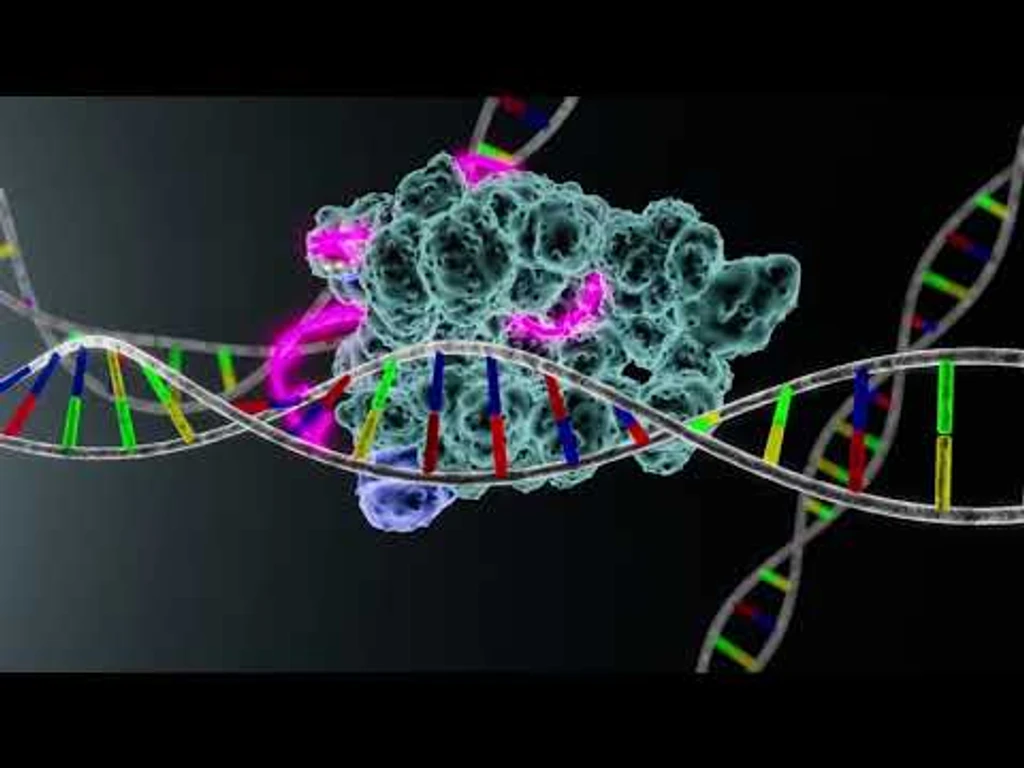
Using a precise gene-editing tool called base editing on donated human embryos, researchers disabled NANOG. The cells that should have built the embryo instead turned into support tissue like the yolk sac or placenta.
The embryos became “confused,” pouring all resources into a support system rather than an actual fetus. This effect differs from mice, where NANOG is also essential for yolk sac development.
The study, published in Nature, gives a new window into early development but remains far from clinical use. Experts stress that base editing is not yet safe for reproductive technology, though it sheds light on infertility and embryo loss.