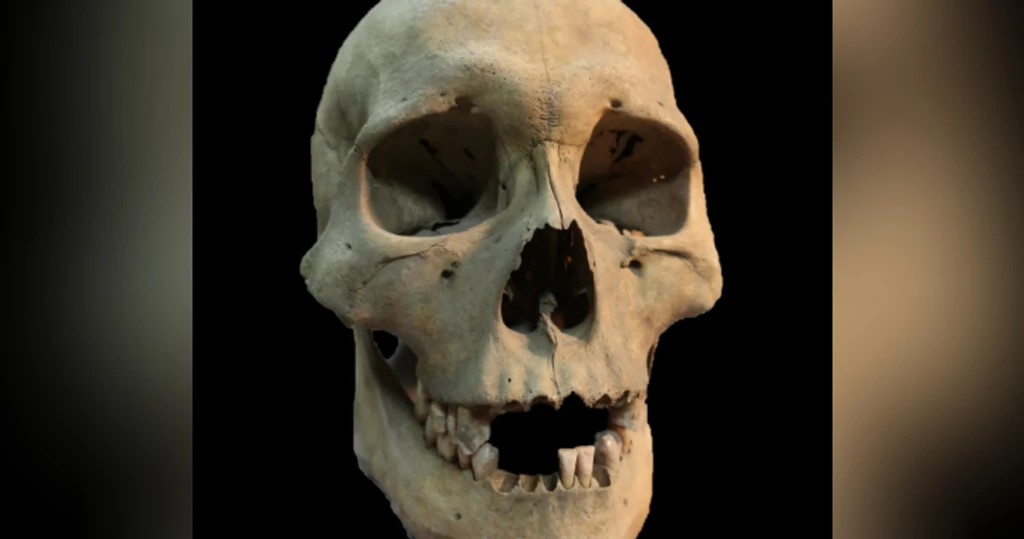
Ancient Siberian graves have yielded the oldest known traces of the plague, fundamentally altering scientific understanding of the disease's origins. Examinations published in Nature reveal that hunter-gatherers in the Lake Baikal region carried the bacteria 5,500 years ago.
This discovery proves the pathogen posed a lethal threat to humanity far earlier than previously believed. Evolutionary geneticist Eske Willerslev states these findings dismantle existing models regarding the early impact of one of history’s most consequential pathogens.
Researchers detected Yersinia pestis in 18 of 46 examined bodies, a mortality rate exceeding some medieval burial sites. Lead author Ruairidh Macleod describes finding evidence of a large-scale lethal outbreak among prehistoric hunter-gatherers as a complete surprise.
The ancient strains lacked genes for efficient flea-borne transmission but possessed unique variants causing severe inflammatory complications. Burial sites containing numerous children suggest this specific genetic trait made young populations exceptionally vulnerable.
These findings contradict theories linking the plague’s rise solely to farming and urbanization. Evidence now suggests marmots were the original host species and that the disease arose in central or northeastern Asia before spreading across Eurasia.
While modern plague cases are rare and treatable with antibiotics, this prehistoric data confirms the bacterium devastated remote human populations millennia before the Black Death killed millions in medieval Europe.