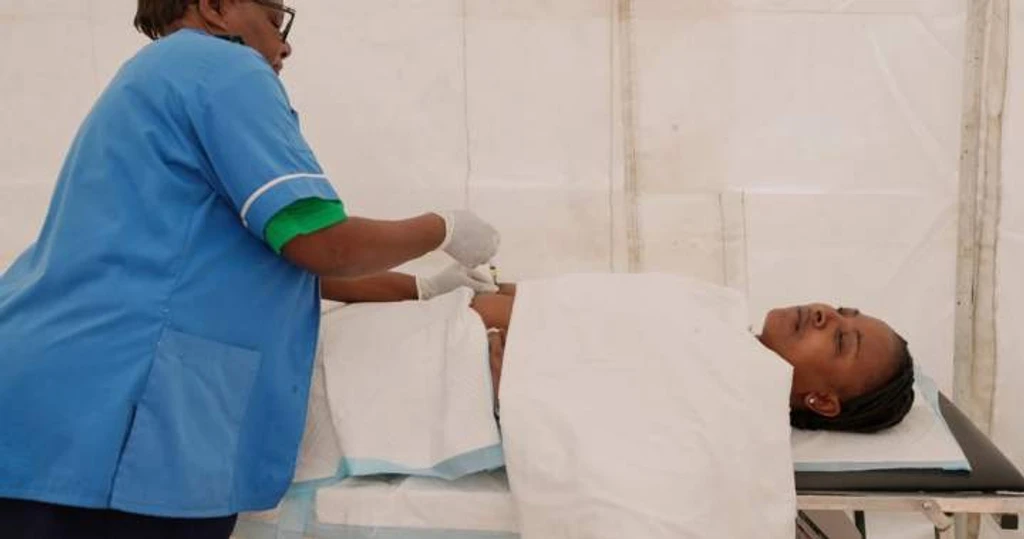
More than 700,000 British Columbians lack a family doctor, according to Doctors of BC.
Nurse practitioners (NPs) are trained to fill this gap in primary care, yet many new graduates cannot secure employment. Angela Wignall, CEO of Nurses and Nurse Practitioners of British Columbia, said students are advised to keep their registered nurse jobs before graduating-fearing no NP roles await them.
Enrollment in NP programs is rising, but job placements are not keeping pace. Wignall attributed the bottleneck to funding decisions favoring physicians over NPs, despite provincial strategy calling for expanded primary care.
Employment pathways for NPs-through primary care contracts or health authorities-are underutilized. Wignall said the Ministry of Health controls funding but fails to align spending with policy goals. Applications for NP positions stall indefinitely, signaling systemic delays.
On March 17, the B.C. government announced it recruited 42 U.S.-based nurse practitioners, part of over 1,000 American nurses registered to work in the province. Wignall called it a 'smack in the face' to locally trained NPs who remain unemployed.
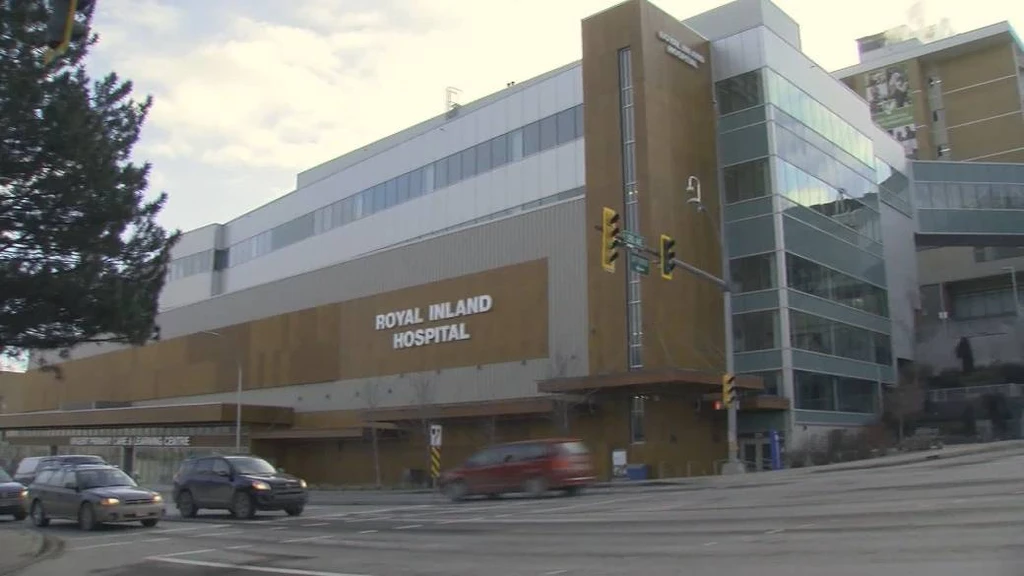
Anna Kindy, B.C. Liberal health critic, warned that failing to hire local NPs risks losing frontline talent. Without primary care access, patients get sicker and overcrowd emergency departments.
There are currently 1,500 NPs in B.C., with projections reaching 3,700 by 2030. This makes NPs one of the fastest-growing segments in Canadian nursing-yet structural barriers block their deployment.