
Canadian consumers and businesses face a looming shortage of whey protein, with costs surging approximately 100 percent over the last few years. Small brands like Calgary-based HelloAmino report a 50 percent cost increase after being forced to source from the United States due to dried-up domestic supplies.
The crisis stems from a "once-in-a-generation" supply shock. Whey, historically a cheap byproduct of cheese manufacturing, has become a strategically contested ingredient. Major corporations including Starbucks, Mars, and Snickers have flooded the market with high-protein variants, saturating demand.
Simultaneously, the skyrocketing popularity of GLP-1 weight-loss drugs has altered consumer behavior. Nutritionists recommend increased protein intake for patients using medications like Ozempic to prevent muscle loss, further straining available inventory.
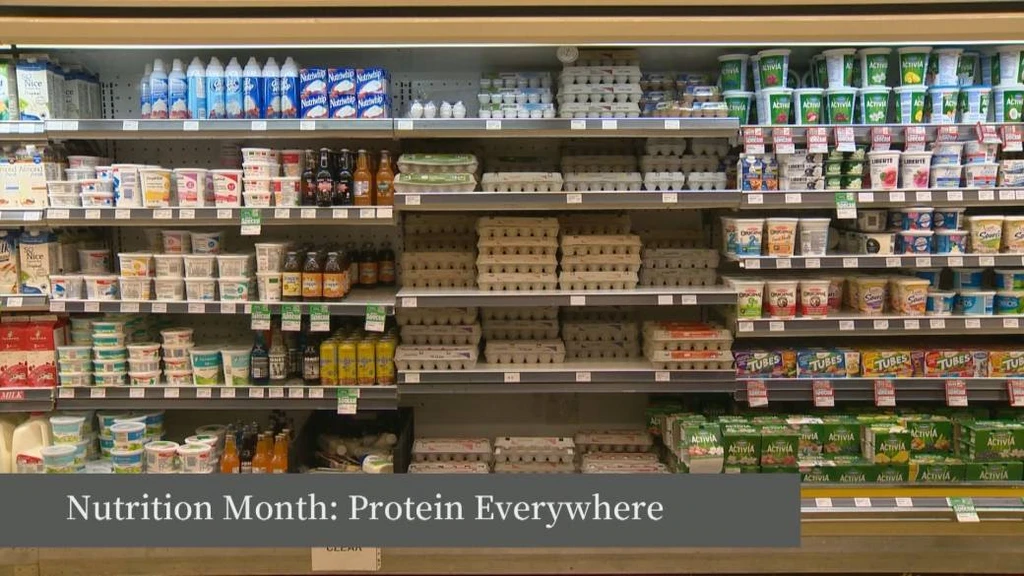
Canada’s unique "supply management" system exacerbates the issue. Because whey production is tied to cheese quotas, domestic output cannot easily scale to meet sudden protein demand. While the Canadian Dairy Commission states that industry partners are working to align supply with needs, experts warn that changing cattle breeding strategies is a long-term solution.

As big brands secure existing contracts, smaller businesses and retail consumers will likely feel the pinch by early next year. In response, companies are diversifying into milk protein concentrates, collagen, and fiber. The shortage is also accelerating interest in plant-based alternatives, with Canada emerging as a leader in pea protein processing through expanded capacity at facilities like Roquette’s Manitoba plant.