The widespread adoption of GLP-1 agonists for weight management has triggered an unintended consequence in aesthetic medicine. Plastic surgeons across the United States report a sharp rise in patients seeking corrective procedures for cosmetic side effects associated with rapid fat loss.
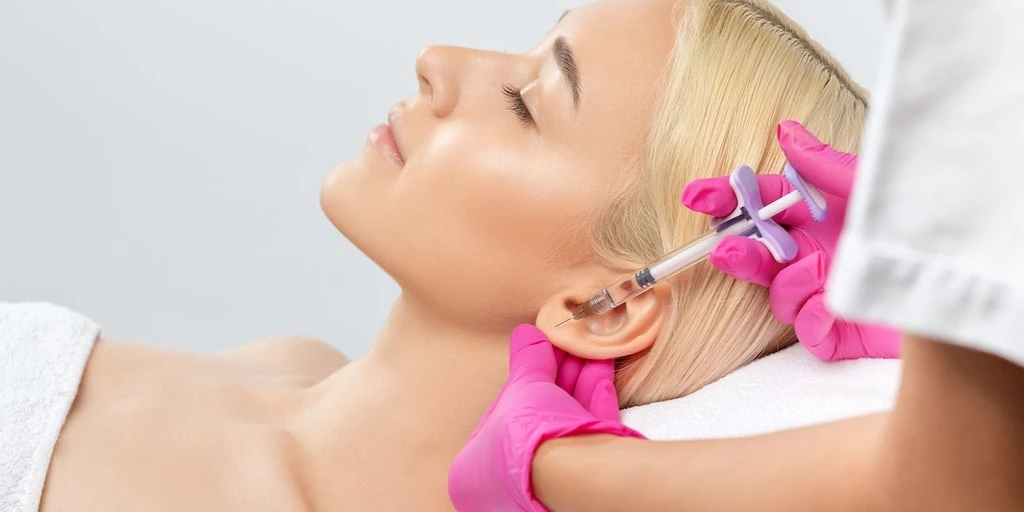
Facial plastic surgeons are now treating "Ozempic earlobes," a condition where the depletion of facial fat pads causes ears to appear thinner, longer, or sagging. While semaglutides do not damage tissue or hearing, the aesthetic changes have increased demand for dermal fillers, fat transfers, and surgical reductions.
Beyond facial concerns, body contouring surgeries have seen a significant surge. Dr. Mohammed Asif of Duly Health and Care notes that gradual weight loss via GLP-1s allows for safer recovery compared to bariatric surgery, yet the volume of panniculectomies, abdominoplasties, and breast lifts continues to climb as patients address excess skin.
Beverly Hills surgeon Dr. Michael Omidi highlights "Ozempic breast" as a primary complaint among women in their 30s and 40s. Rapid deflation often outpaces skin elasticity, resulting in sagging that necessitates mastopexy. Similarly, dramatic gluteal volume loss, termed "Ozempic butt," leaves skin unable to tighten sufficiently without surgical intervention.
The American Society of Plastic Surgeons confirms this trend will persist as patients lose up to 100 pounds on these medications. Common remedial procedures now include lower body lifts, arm lifts, thigh lifts, and facelifts to address systemic laxity.
Medical experts emphasize prevention through lifestyle adjustments alongside medication. Adequate protein intake and consistent resistance training are critical to preserving lean muscle mass and mitigating severe atrophy during treatment.