
A major new meta-analysis from the University of Pennsylvania suggests that omega-3 fatty acids, commonly found in fish oil supplements, can reduce aggression by up to 28 percent.

Researchers analyzed 29 randomized controlled trials involving nearly 4,000 participants, spanning ages from children under 16 to adults aged 50 to 60. The studies, conducted between 1996 and 2024, lasted an average of 16 weeks.

Crucially, the effect was observed in both reactive aggression (response to provocation) and proactive aggression (planned behavior). The reductions were consistent across age, gender, medical diagnosis, and dosage.
Lead author and neurocriminologist Adrian Raine stated, "The time has come to implement omega-3 supplementation to reduce aggression, irrespective of whether the setting is the community, the clinic, or the criminal justice system."
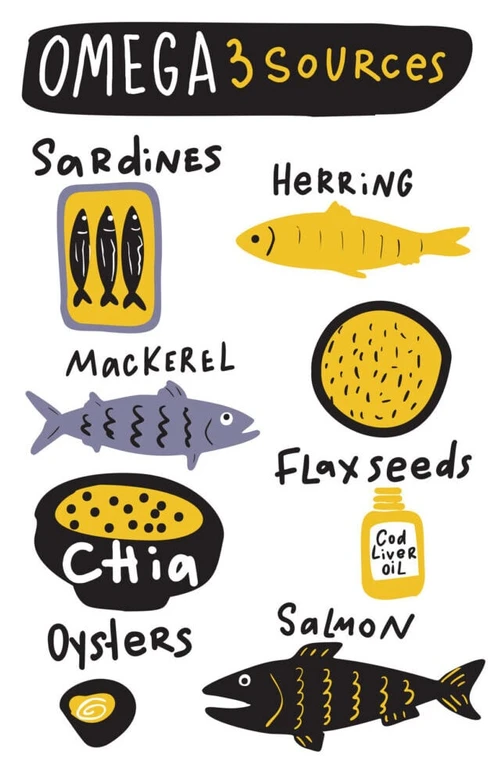
While not a "magic bullet," the findings add to a growing body of evidence linking diet to brain chemistry and behavior. The researchers argue that even modest effects are significant given the high economic and psychological cost of violence. Omega-3 should be considered as an adjunct to other therapies.