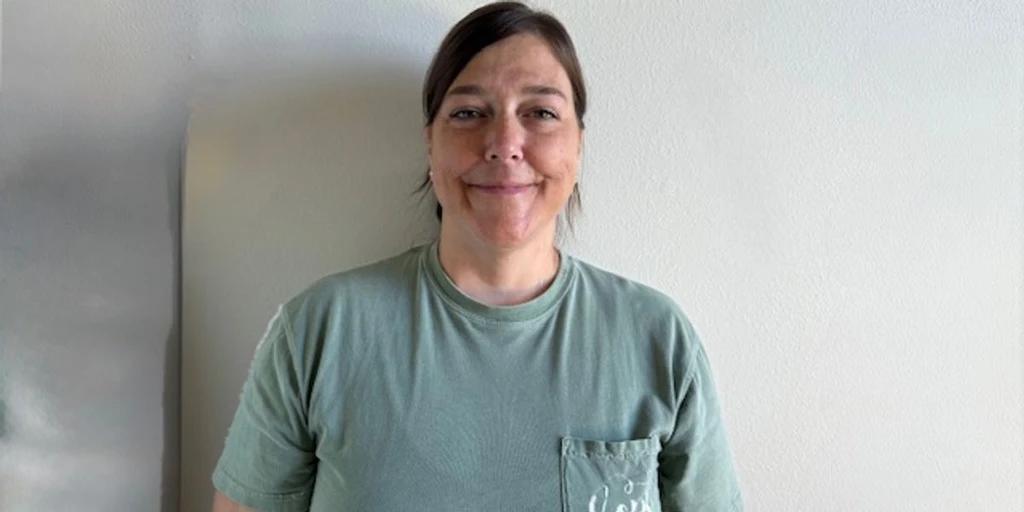
For four decades, a woman endured excruciating pain, frequent kidney stones, and debilitating joint aches, undergoing 47 lithotripsy procedures without a clear diagnosis. Doctors often dismissed her symptoms as nerves or anxiety, and at times, she was accused of seeking drugs.
Her health crisis escalated when her kidneys rapidly failed, leading to an emergency room visit and consultation with a nephrologist. This specialist recommended genetic testing, which revealed she has primary hyperoxaluria (PH), an ultra-rare genetic disorder. PH causes oxalate to build up in the body, overwhelming the kidneys and leading to organ damage. The patient has the most severe form, PH1, where the body produces little to no enzyme to process oxalate.
This diagnosis explained not only her lifelong suffering but also her mother's mysterious childhood illness and early death. Previously, low-oxalate diets had no effect because her body's inability to process oxalate was the root cause. After months on dialysis, she received a liver and kidney transplant in April 2024.
Now diagnosed, she aims to advocate for others, particularly women, ensuring their symptoms are taken seriously and not dismissed. She highlights the potential for a better quality of life with earlier treatment for PH, a condition that, while incurable, is treatable.