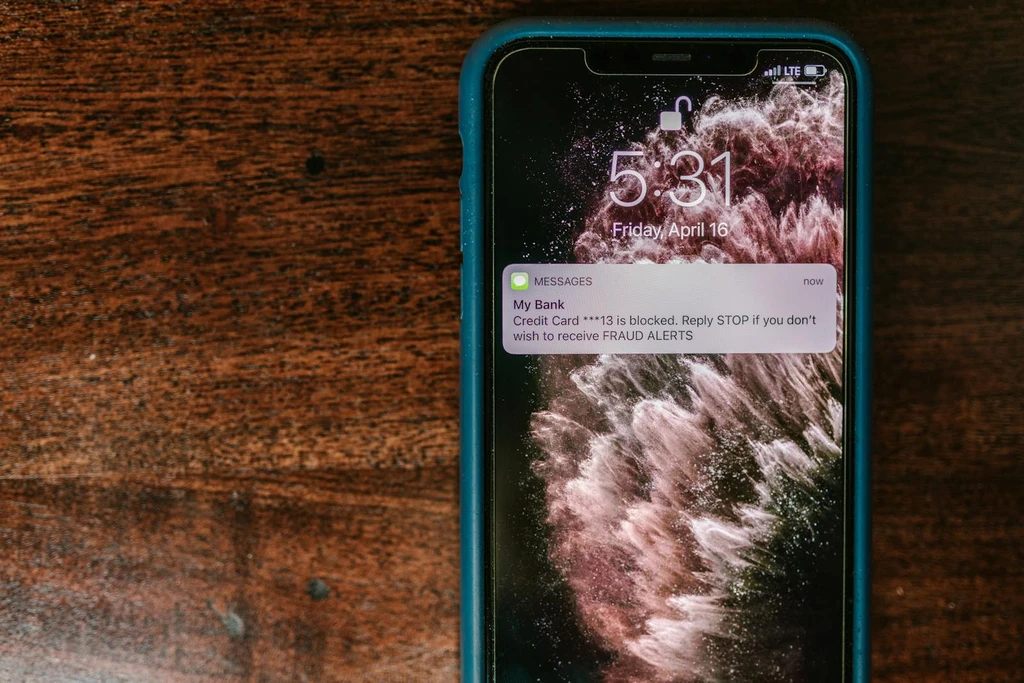
Re-reading your own sent messages isn't a sign of insecurity. New analysis suggests it's a form of self-audit, a backward-facing check against a standard set by someone who once used your words against you.
This isn't about wondering if you sounded stupid. It's about asking if the message could be twisted. That distinction comes from a specific history: a parent who quoted you back sarcastically, a partner who screenshotted texts to win arguments, or a boss who treated casual words as evidence.
Research from a major intergenerational study published in BMJ Open supports this finding. Analyzing data from over 20,000 adults in England and Wales, the study found that childhood verbal abuse is linked to a 64% increase in low mental wellbeing in adulthood, surpassing the 52% figure for physical abuse. The study also noted that while physical abuse rates have halved since the 1950s, verbal abuse rates have nearly doubled.
This behavioral audit is not about perfectionism-which aims for excellence-but about harm reduction. It is an exhausting, lonely ritual where the internal prosecutor remains long after the dangerous relationship has ended. The key to moving past it is not building confidence, but slowly transferring the standard of judgment back to yourself and tolerating the discomfort of sending a message without re-reading it.