
Pregnancy triggers hormonal changes, morning sickness, and increased cravings that can significantly impact oral health. Hormones like estrogen and progesterone make gums more susceptible to disease, leading to conditions like pregnancy gingivitis and periodontitis, characterized by swollen, bleeding gums and potential bone loss.
Morning sickness, particularly vomiting, exposes teeth to stomach acid, eroding enamel and increasing the risk of sensitivity and decay. It is crucial to rinse with water immediately after vomiting but delay brushing for at least 30 minutes to avoid further damage.

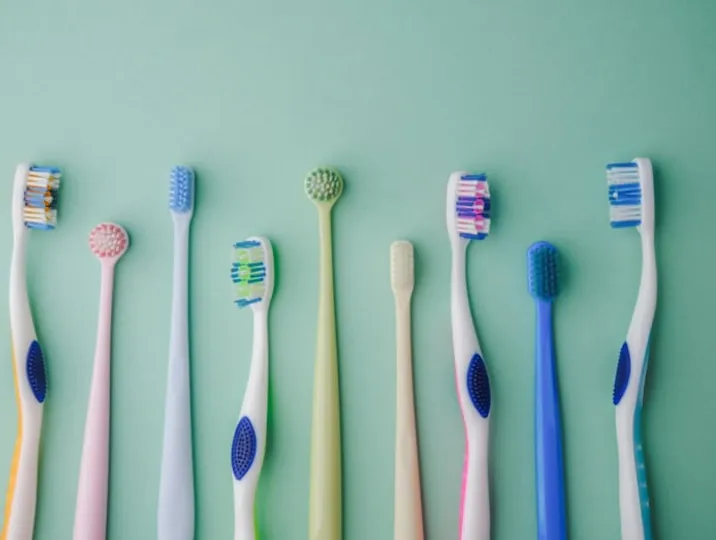
For those experiencing a heightened gag reflex, consider using a smaller toothbrush and a less minty toothpaste. Distraction techniques like listening to music or podcasts can also make brushing more manageable.
Poor oral health during pregnancy is linked to adverse outcomes for the baby, including preeclampsia and gestational diabetes, and can even trigger premature labor. Bacteria can also be transmitted to the infant after birth.

Regular dental check-ups are essential. Routine treatments like cleanings and fillings are generally safe at any stage, with the second trimester often considered the safest. Inform your dentist about your pregnancy, including the stage and any medications you are taking. Informing the dental team about your pregnancy is crucial, even if it's not yet confirmed, providing details on the stage of pregnancy, expected due date, and any current medications.

Maintaining good oral hygiene by brushing twice daily, flossing once a day, and staying hydrated is vital. These habits are equally important postpartum, as the demands of new parenthood can often lead to neglected oral care.