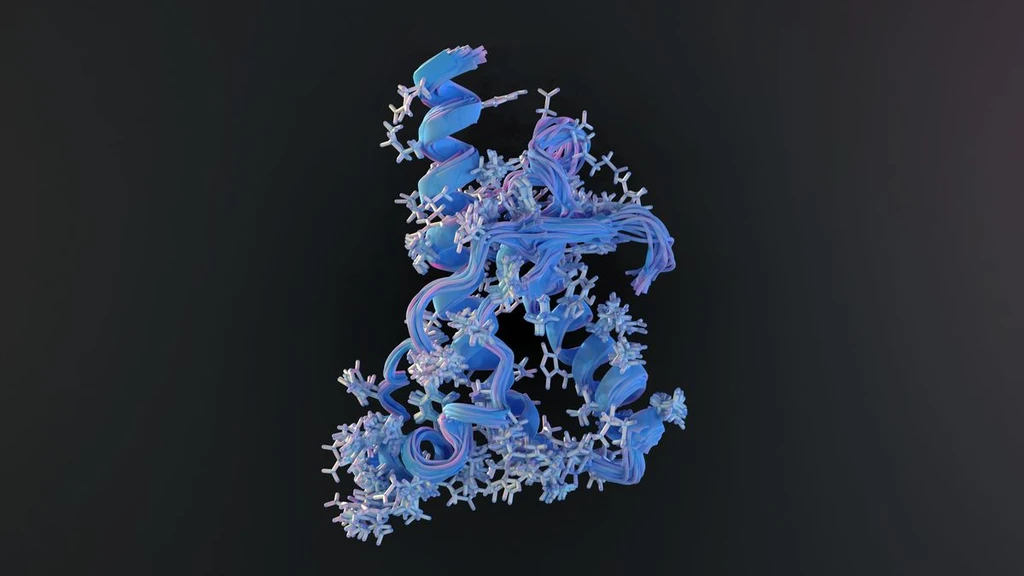
On April 9, 1982, Dr. Stanley Prusiner published a pivotal paper revealing that infectious proteins, termed 'prions,' caused degenerative nerve diseases. This discovery challenged the established 'central dogma' of molecular biology by proposing that a protein, devoid of genetic material, could transmit disease.
Prusiner's work stemmed from observing diseases like scrapie in sheep and Creutzfeldt-Jakob disease (CJD) in humans, which presented similar 'spongiform' brain tissue damage. The infectious nature of these diseases, even when genetic material was not apparent, puzzled the scientific community.
Through meticulous research, Prusiner isolated a protein as the infectious agent, demonstrating that disrupting its structure halted transmission. This led to his Nobel Prize in physiology or medicine in 1997. The subsequent 'mad cow disease' epidemic validated his prion hypothesis, showing how these misfolded proteins could spread and cause fatal illnesses.