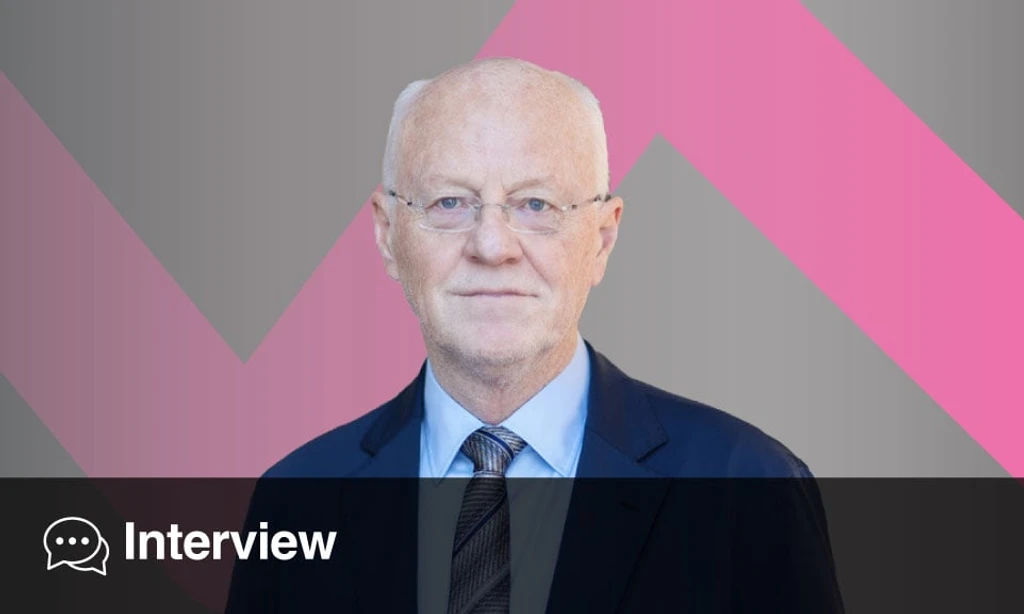
Peter Goadsby, a leading neurologist and professor at King Abdullah University of Science and Technology, has spent decades reshaping the understanding of migraine. His early doubts about the vascular theory-pointing to the one-sided nature of migraine and premonitory symptoms like fatigue-led him to champion a neural explanation centered on the trigeminal nerve and the neuropeptide CGRP.
Goadsby's work, alongside Lars Edvinsson, identified CGRP as a key driver. This discovery led to two classes of drugs: gepants (oral CGRP receptor antagonists) and CGRP monoclonal antibodies. While effective, Goadsby notes that only about half of patients respond well, signaling that other neurotransmitters are also involved. He views non-response as an opportunity for further research.
Gepants are unique in serving both acute and preventive roles. Goadsby argues this blurs the traditional line between treatment types. The key, he says, is targeting the right biological mechanism; pharmacokinetics and side effects then determine whether a drug suits acute or preventive use.
Cost remains a barrier to early access, but Goadsby is optimistic. He predicts generics will eventually make these therapies widely available, as happened with triptans.
On aura, Goadsby says its trigger remains poorly understood, but he hypothesizes that a predisposition is normally suppressed by multiple brain systems. Migraine with and without aura, he believes, share a core dysfunction in sensory modulation and homeostatic control.
Goadsby also addresses the persistence of opioids like codeine in migraine care, despite evidence of medication-overuse headache. He distinguishes dependence from medication-overuse headache, which can also result from triptans.
Finally, Goadsby highlights vestibular migraine-where vertigo is a major symptom-as a key translational gap, and says his team is working to understand its physiology and treatment.