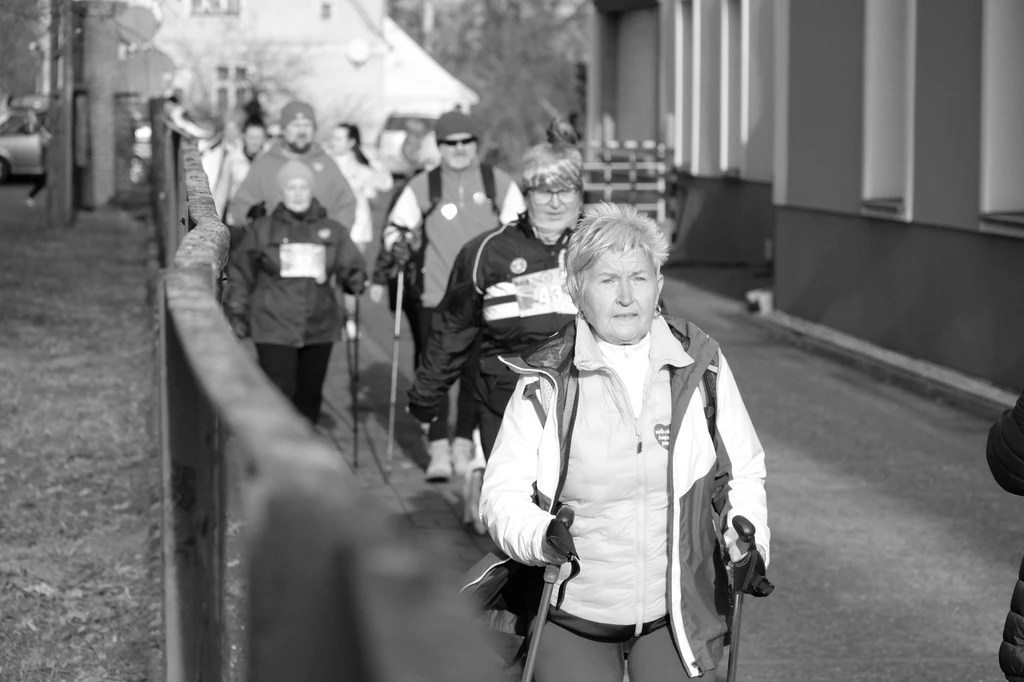
The conventional wisdom about staying fit into your 70s often highlights exceptional willpower or genetic luck. A closer look at research suggests a different, more integrated pattern.
Studies in self-determination theory indicate that people sustain physical activity longer when it feels personally chosen and meaningful, not just a duty. This connects to a broader finding from a study of older women: both light and vigorous physical activity are linked to lower mortality. The key is capturing ordinary movement-walking, gardening, household tasks-that isn't branded as formal exercise.
For many active older adults, movement is not a separate project. It's how they socialize, travel, maintain independence, or engage in hobbies. This integration into daily life and identity is more stable than relying on fluctuating motivation.
The role of habit is also critical. Repeated actions in a stable context, like a weekly dance class or a morning walk, reduce the mental effort required to start. This makes consistency more achievable than pursuing a heroic, but unsustainable, workout identity.
The core insight is about fit. A lasting movement routine aligns with a person's actual preferences, obligations, and the life they want to live. It's less about discipline and more about having continuous, meaningful reasons to stay physically involved.