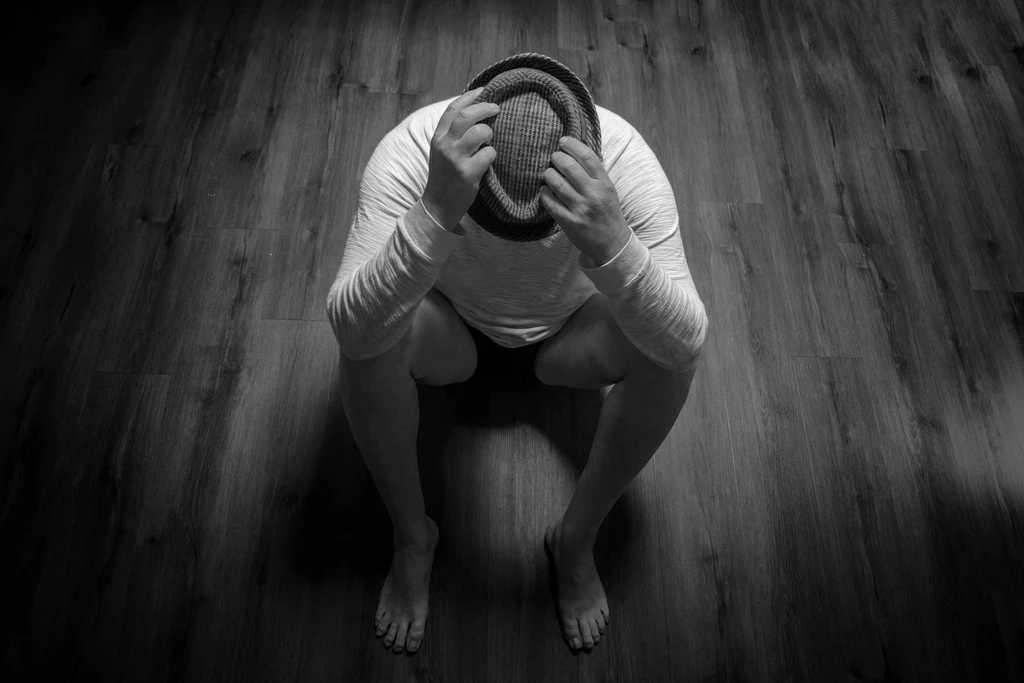
You experience inexplicable sadness on a seemingly perfect day. Psychology suggests this isn't random; it's your nervous system finally feeling safe enough to process long-held grief.

During stressful periods, the body prioritizes survival, triaging and filing away emotions like grief and loss. Dr. Peter Levine's work on Somatic Experiencing therapy indicates the body stores unprocessed experiences until sufficient safety is detected for release. This often occurs not during hardship, but afterward.
Transitions to better circumstances can trigger this. As external stability increases, internal suppressed emotions surface. Stephen Porges' polyvagal theory explains how shifting to a "safe and social" state allows the body to process stored material.
This "grief backlog" extends beyond bereavement, encompassing lost expectations, faded friendships, and unfulfilled needs. These losses accumulate, unacknowledged because there was no room to feel them at the time.

Delayed grief manifests as vague heaviness, irritability, fatigue, or disproportionate emotional reactions. These are not about the immediate trigger but about what that moment finally allows to surface.
This phenomenon is a sign of healing. A nervous system capable of releasing stored emotions indicates its regulation capacity is working. Research on emotional regulation shows feeling difficult emotions in safe contexts is a marker of resilience.
When this sadness arises, the healthiest response is to allow it without judgment or immediate justification. Simply sit with the feeling, breathe, and notice its physical presence. Naming it gently, even as "old sadness," can reduce its intensity. The key is to resist the urge to dismiss it because you can't find a clear cause; emotions don't require justification.
Ultimately, unexplained sadness on good days is evidence of progress. It signifies you've created enough safety and stability for your system to finally let go, completing a cycle it has been waiting years to finish.