When Caroline Rivest broke her ankle a few years ago, a doctor prescribed her a powerful opioid for three months. She was hooked in no time.
After her prescription ran out, she turned to the black market to keep withdrawal at bay. “What struck me was that nobody had told me just how dangerous it was. Just how much it could change my life,” Rivest said.
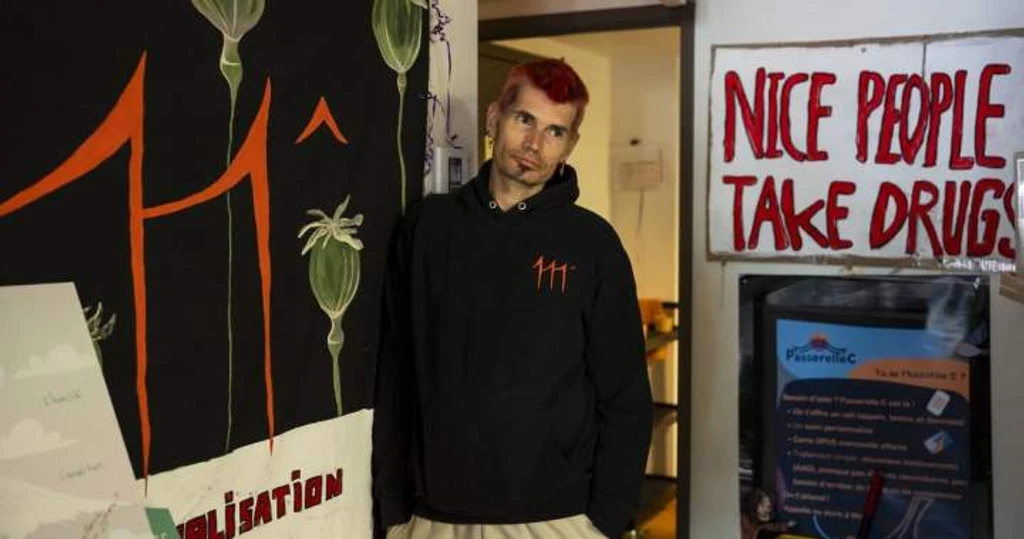
She was at Méta d’Âme, an opioid support centre in Montreal, filling out paperwork with lawyer Olivia Wawin, involved in a class-action lawsuit against eight drug manufacturers and distributors. The lawsuit, authorized by Quebec’s Superior Court in 2024, initially targeted 16 companies. Several settled for a total of about $22 million, leaving eight defendants.
But the legal team is having trouble reaching potential class-action members-many are homeless, incarcerated, or in long-term hospital care. So lawyers are visiting pharmacies, jails, hospitals, and community centers. Méta d’Âme is one of the few Quebec organizations focused solely on opioid users.
To be eligible, a person must have been prescribed opioids and diagnosed with opioid use disorder. Lawyer Margo Siminovitch says about 13,000 people in Quebec have been treated for addiction. So far, only about 1,400 have registered. The deadline is July 31, but Siminovitch may seek a six-month extension.
The lawsuit alleges the companies knew how addictive their drugs were but deliberately misrepresented those risks. The defendants have denied the claims. Lead plaintiff Jean-François Bourassa, a former construction worker addicted for over a decade, says the goal is to help others like him. He will likely need methadone for the rest of his life.