
Quiet people in professional settings often operate with greater sophistication than their peers realize. Colleagues who stay silent during meetings, ask more questions than they speak, and provide thoughtful feedback later are frequently misunderstood as shy or disengaged. Behavioral research reveals they may actually be among the most emotionally intelligent people in the room.
Their silence is not passive-it's a deliberate strategy formed from early life experiences where reading emotional cues was essential for safety. These individuals have learned to observe, catalog, and assess situations before responding.

This emotional awareness comes at a cost. Accurately perceiving others' feelings drains cognitive and emotional energy. Yet, their insights go uncredited. While the loud participant gains recognition, the quiet one is often told to "speak up more."
The quiet observer's behavior stems from a protective reflex rooted in childhood-where misreading emotions could lead to serious consequences. Over time, this adaptation evolves into an unconscious habit, even in safe environments.
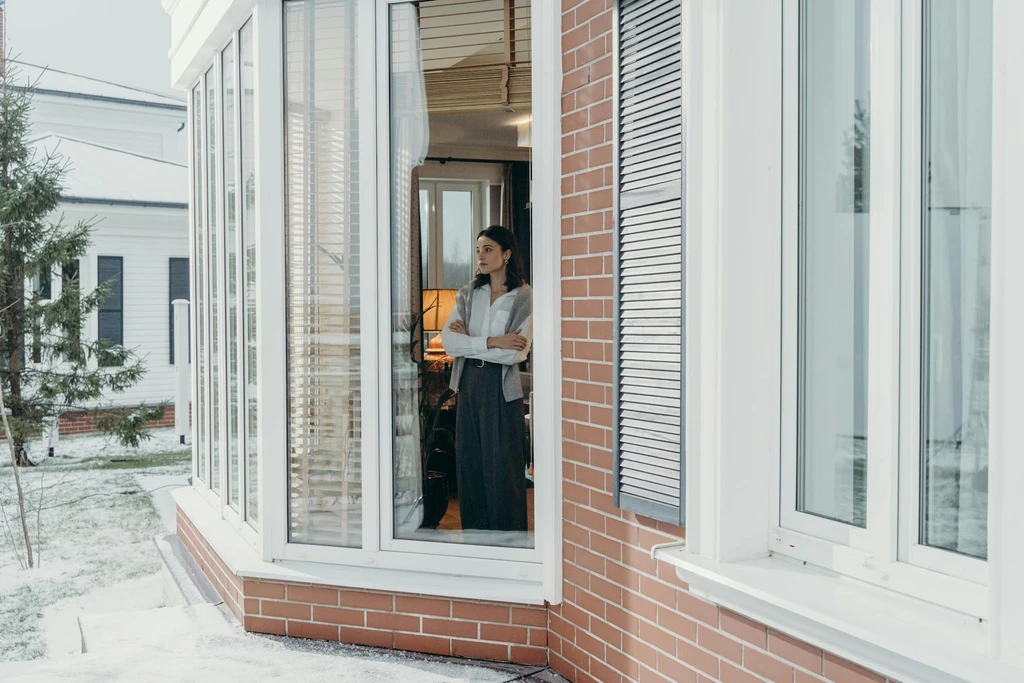
Understanding this pattern does not fix it, but it helps redefine quietness as an evolved emotional skill rather than a flaw. Recognizing this insight allows people to consciously choose when silence serves them and when speaking is necessary.