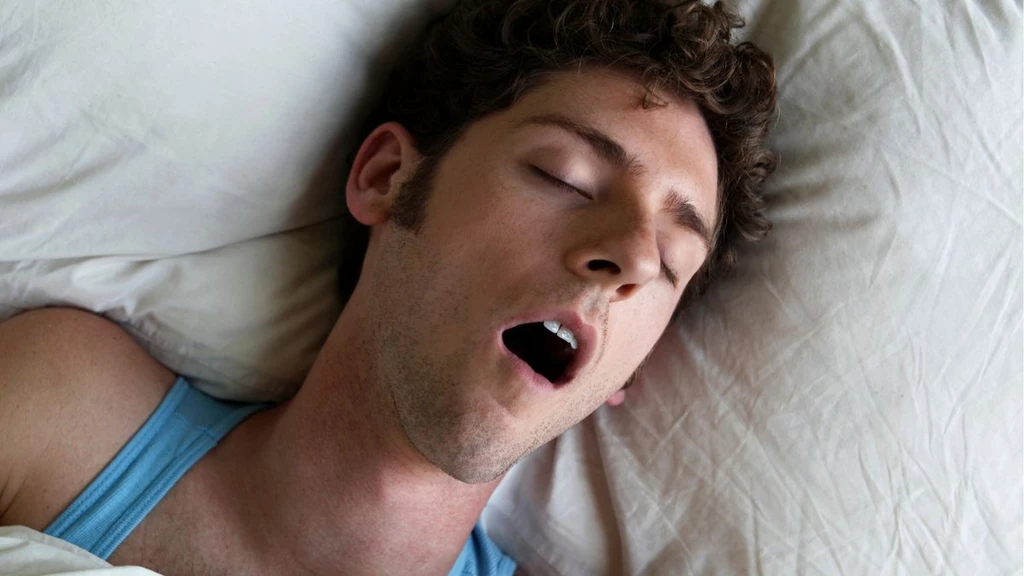
A repurposed epilepsy drug has demonstrated significant potential in treating sleep apnea, a condition affecting millions. In a recent clinical trial, participants taking the highest daily dose of the drug, sultiame, experienced nearly 50 percent fewer breathing interruptions during sleep.
Researchers at the University of Gothenburg conducted a stage II clinical trial involving 240 participants diagnosed with moderate to severe obstructive sleep apnea. The study tested daily doses of 100 mg, 200 mg, and 300 mg of sultiame, compared to a placebo. Participants taking the 200 mg or 300 mg doses saw sleep apnea severity reduced by approximately 30 to 50 percent.
Sultiame, originally synthesized in the 1950s, is used in several countries to treat partial seizures but has not been registered in the US. This new research suggests it may improve upper airway muscle tone and stabilize respiratory control. The drug offers a potential alternative to CPAP machines and recent weight-loss-focused treatments like tirzepatide, addressing underlying issues of airway obstruction more directly.
While side effects increased with dosage, 200 mg appeared to be the optimal dose with no clinically relevant safety concerns reported. This development marks a significant step towards a new, individualized pharmacotherapy for sleep-disordered breathing, a condition linked to serious health issues including cardiovascular disease and cognitive decline.